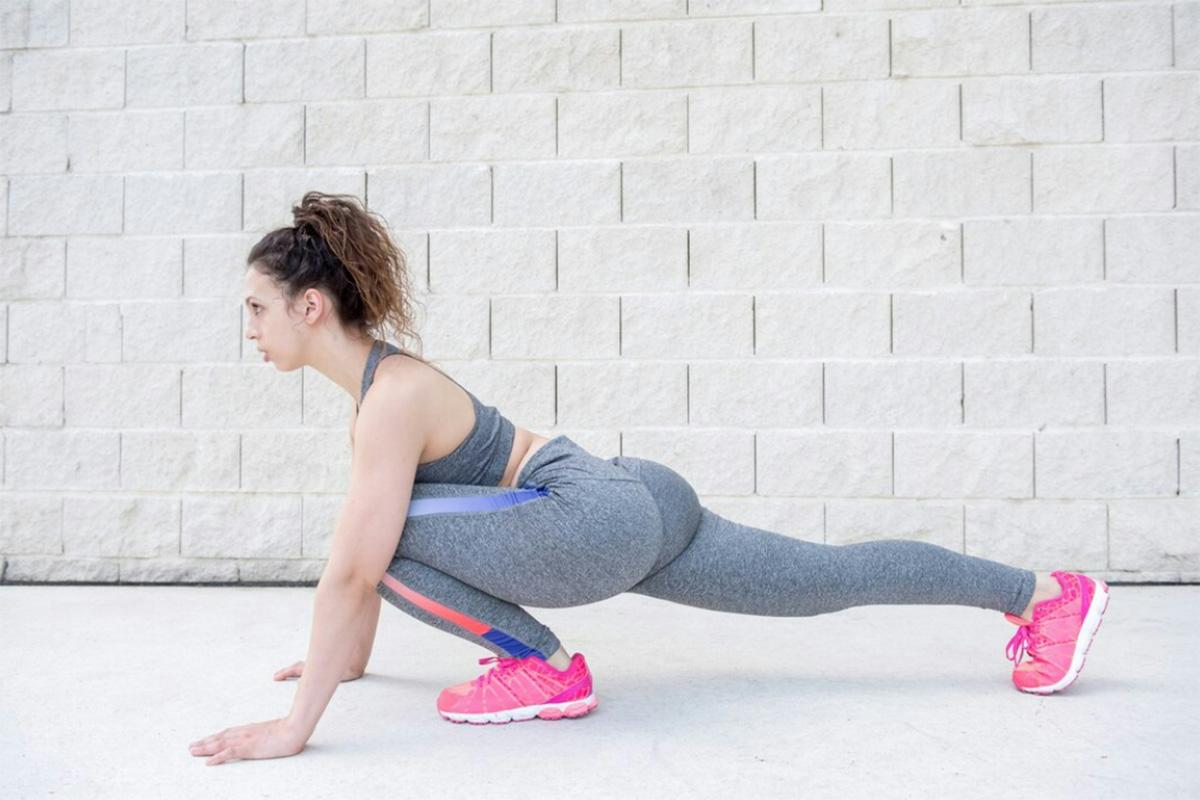
Dealing with Hip Pain During Squats: Effective Tips
Hip pain during squats is often caused by limited mobility, muscle weakness, poor squat mechanics, or overloading your body too quickly. Improving hip strength, movement

Hip pain during squats is often caused by limited mobility, muscle weakness, poor squat mechanics, or overloading your body too quickly. Improving hip strength, movement
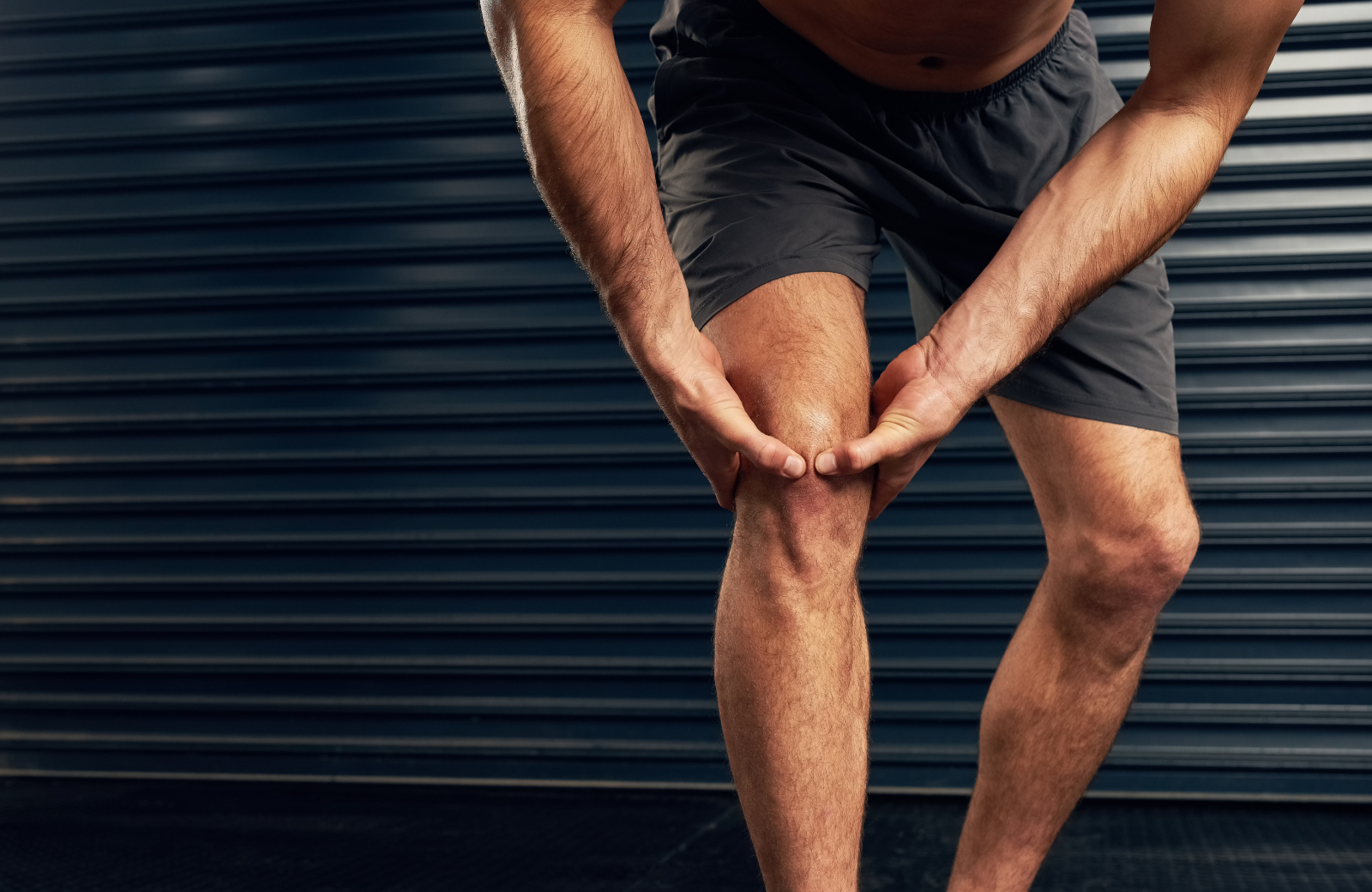
How physical therapy after ACL reconstruction helps active adults and athletes rebuild strength, power, and confidence to return to sport safely and fully.

Improving running endurance requires a combination of consistent training, gradual mileage increases, strength work, proper recovery, and smart pacing. Whether you are training for your
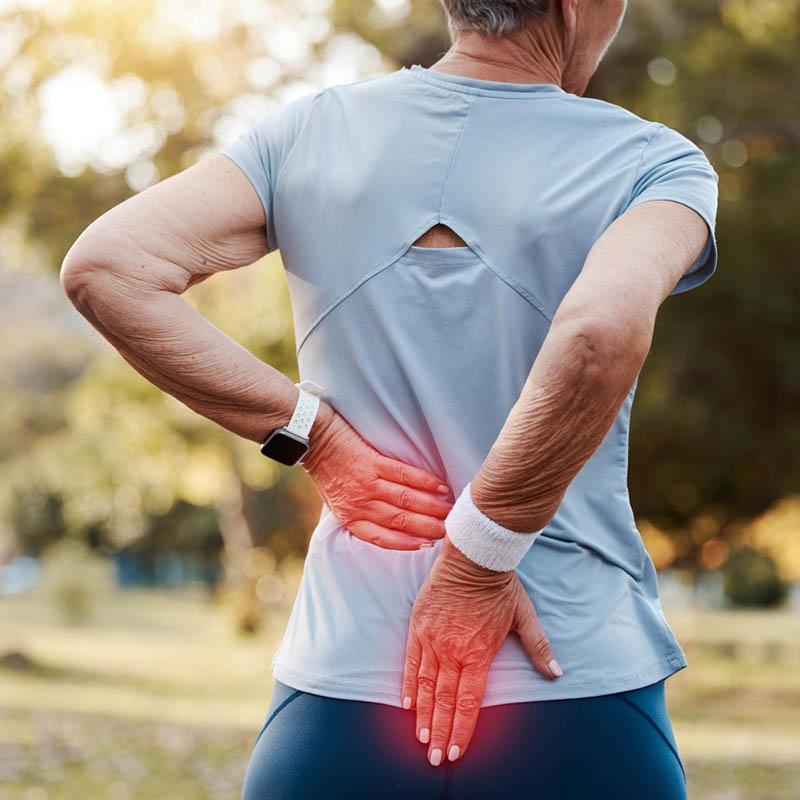
In the dynamic lives of active adults, shoulder and back pain are not merely discomforts—they’re significant hindrances that can disrupt daily activities and diminish the
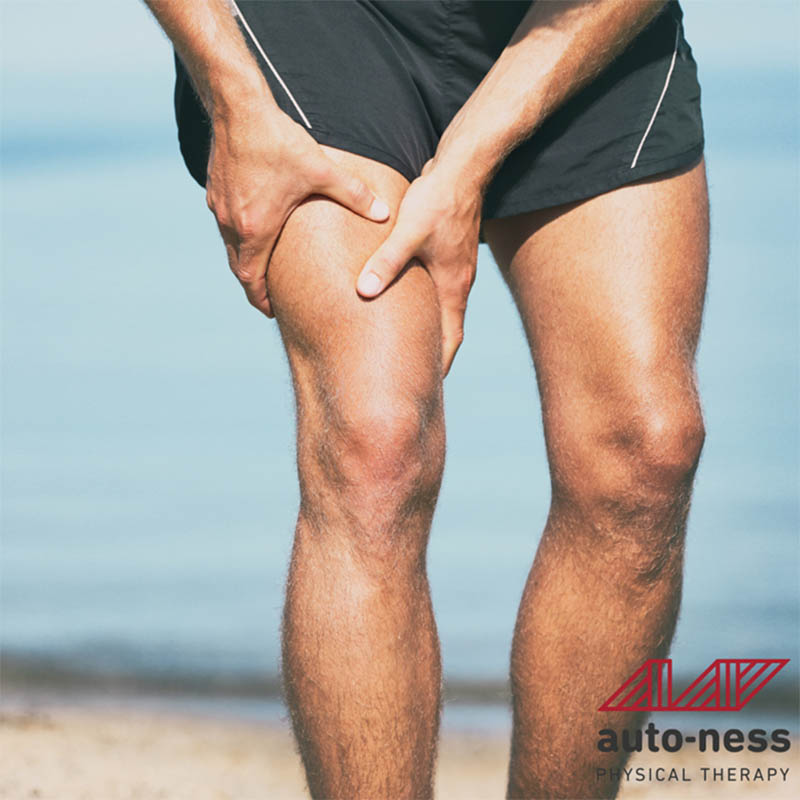
Introduction: Have you ever experienced that peculiar “pop” in your inner thigh during a stretch, only to be greeted with discomfort and an uneasy gait
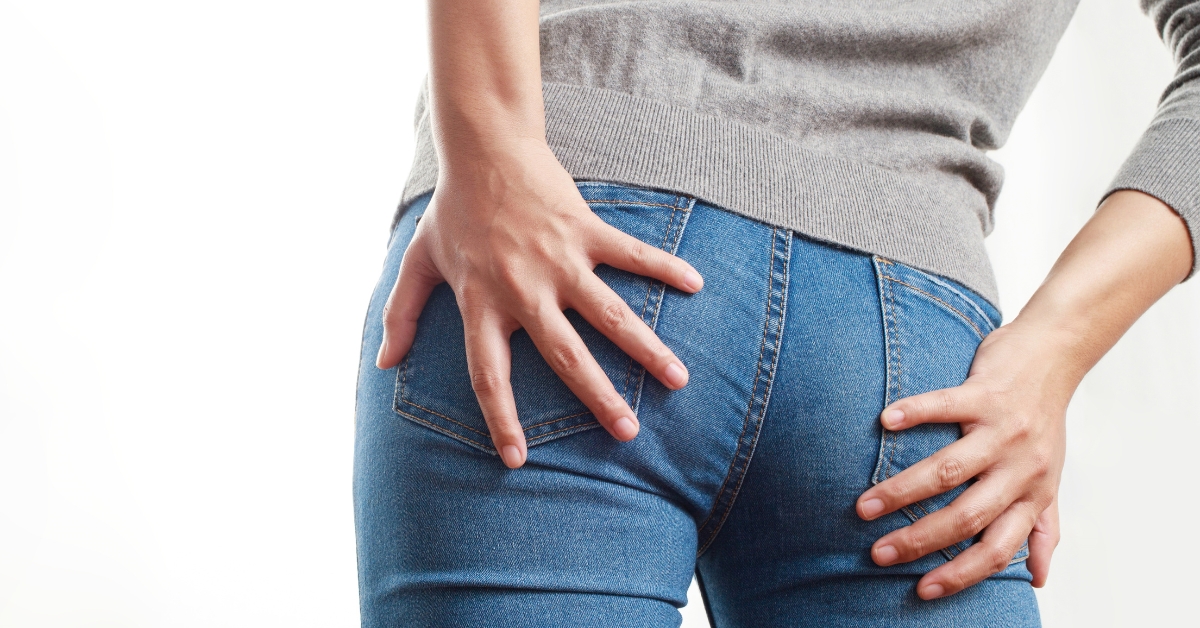
You’ve been told to rest, ice, and wait it out, but the pain keeps coming back the moment you return to activity. Hamstring tendinopathy doesn’t just fade away because it’s more than sore muscles—it’s a deeper problem that demands attention. When you rest, the tendon may feel calmer, but the real issue remains. Without the right approach, the tendon never rebuilds the strength and resilience you need for performance and daily movement. If you’re struggling, it likely feels frustrating to keep cycling through: Pain during workouts or runs Stiffness when you sit or stand for long periods Fear of re-injury every time you push harder This injury can feel like it’s stealing your progress and confidence. The truth is, resting alone only pauses your problem instead of solving it.
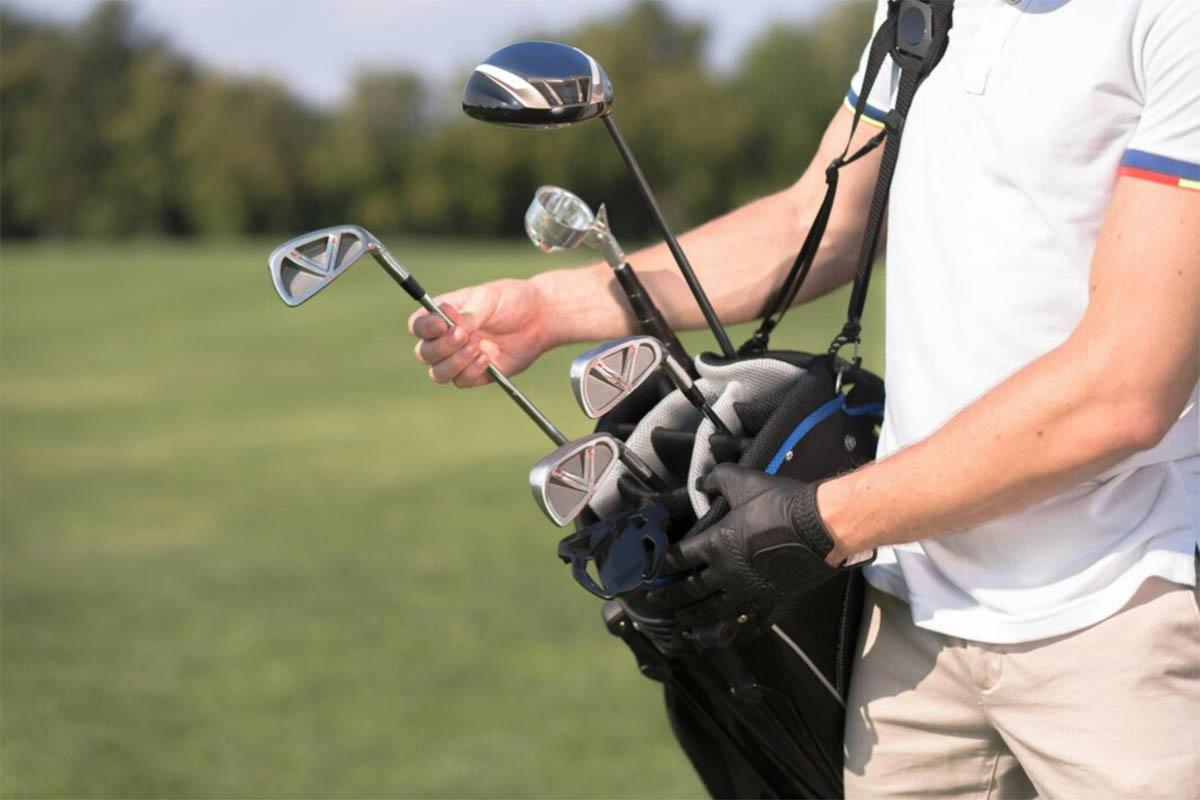
Introduction Golf, a game of precision and finesse, demands a lot from its players, and sometimes, it takes a toll on their bodies. A frequently

Use this knee pain location chart to decode what front, inner, outer, and back-of-knee pain mean, and what to do about each. A San Diego physical therapist’s guide.

If you’re battling tibialis anterior pain and reaching for ice every time, you’re not alone. But here’s the truth: icing alone won’t fix the problem.
This type of pain often shows up during everyday movement or after workouts. It can creep in during a run, a walk, or even just climbing stairs.
Instead of chasing symptoms, it’s time to dig deeper. Your body sends pain signals for a reason, and it’s not just about what’s happening near your shin.

Neck pain and headache can turn a normal training week into a frustrating cycle of skipped runs, tight swings, and long days at the desk. When your neck feels locked up and your head is pounding, even simple things like checking blind spots while driving or looking down at your phone feel harder than they should.
Neck pain and headaches do not need to be a normal part of running, golfing, skating, or working at a high level. If you are ready to stop letting neck pain and headaches dictate your training, work, or sport, support is available.
Get in touch with us at Auto Ness Physical Therapy at 858 324 5537 and start building a stronger, more resilient neck that supports the active life you care about.