Physical therapy after ACL reconstruction is what turns a healed knee into a knee you trust at full speed.
The short version: rehab moves through clear phases, from calming the knee and restoring motion, to rebuilding strength, to power and running, to sport-specific return, and you advance by hitting strength and control milestones, not by counting weeks on the calendar.
Here is what good ACL rehab looks like at a glance:
- Phase 1: control swelling, restore full knee extension, and wake the quad back up
- Phase 2: rebuild quad, hamstring, and glute strength with quality movement
- Phase 3: add power, plyometrics, and a criteria-based return to running
- Phase 4: sport-specific cutting, jumping, and objective return-to-play testing
- Throughout: progress on what your knee can do, not just time since surgery
If your goal goes beyond walking without pain to running, golfing, or competing with confidence, here is what each stage takes.
How ACL Tears Happen, and Why It Shapes Your Rehab
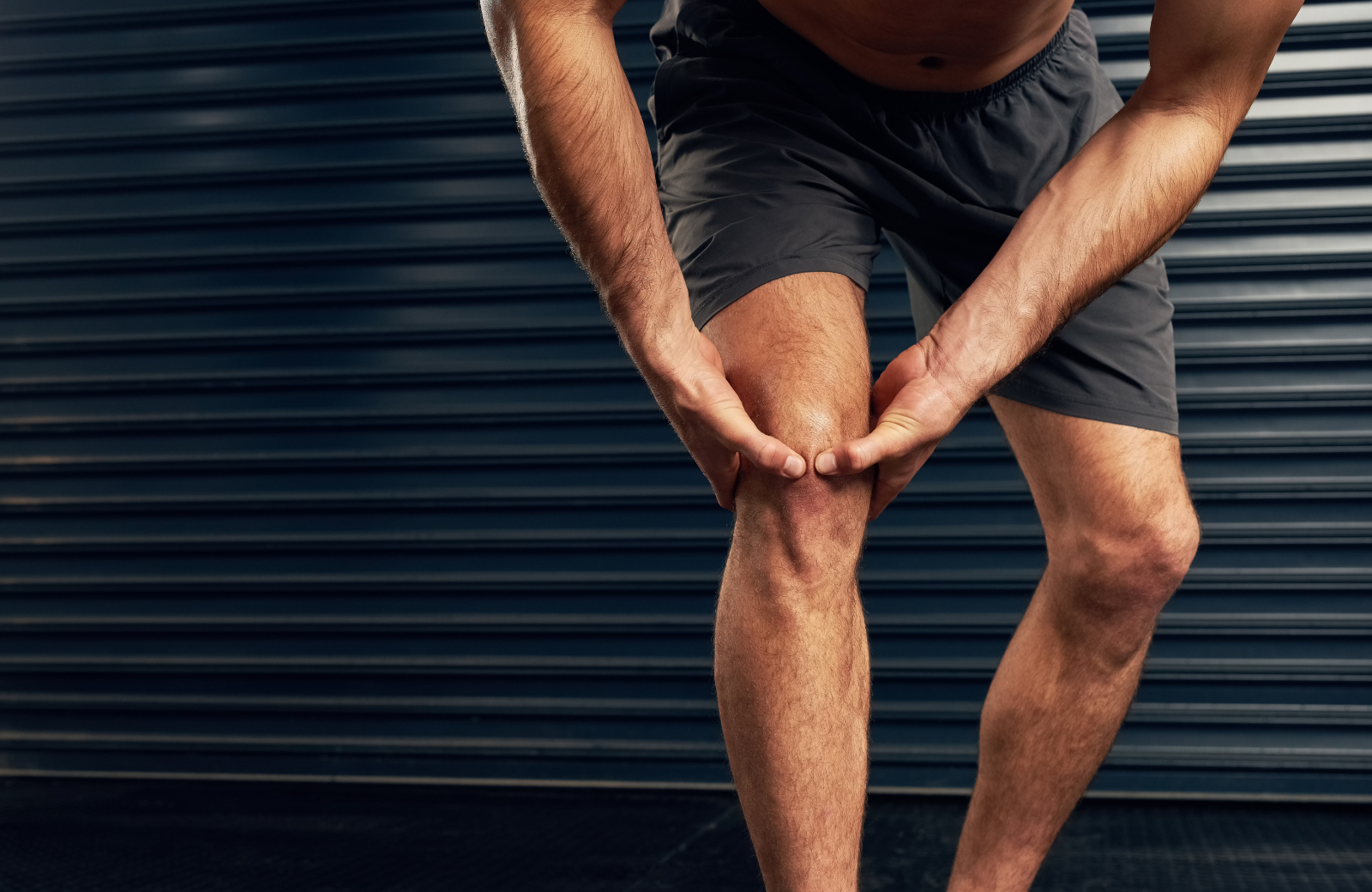
If you stay active, your ACL takes a lot of load. Cutting, pivoting, sudden stops, and awkward landings all stress that ligament, and tears often happen in a split second: a quick change of direction in pickup hockey, a misstep on a trail run, or an aggressive swing from a bad lie.
A few patterns and risk factors show up again and again: planting and twisting the knee, landing with the knee caving inward, weak or delayed glute activation, quad dominance with poor hamstring support, and limited hip mobility that forces extra motion into the knee.
Understanding how your injury happened gives you a roadmap, because rehab has to correct the whole system that supports the knee, not just heal the graft.
Recovering from an ACL reconstruction and want a plan built around your sport? Call 858-324-5537 or book a free Discovery Visit.
What Successful Recovery Really Looks Like
After surgery, it is easy to focus on the basics, getting the incision healed, swelling down, and walking normally again. For an athlete, that is only the first step. Healed on an MRI does not equal ready to sprint, race, or walk 18 holes with full confidence in your knee.
A successful ACL recovery for an active adult usually means full, pain-free range of motion, strong and symmetrical quads, hamstrings, and glutes side to side, confidence cutting, stopping, and landing, and the ability to complete sport-specific drills at full intensity.
Timelines matter, but clear criteria at each step are a better guide than the calendar, and that is what lowers your risk of re-injury.
The Four Phases of ACL Rehab
Phase 1: Protect, Calm, and Restore Motion
Your first job is to settle the knee and restore gentle movement while waking up the muscles that keep it stable.
Goals include reducing swelling, regaining full extension as early as your surgeon allows, restoring flexion within guidelines, and re-engaging the quad so the thigh does not shut down.
Quad sets, heel slides, straight-leg raises, and short, even-stepped walks do a lot of the early work. It feels slow, but it is the foundation everything else stacks on.
Phase 2: Rebuild Strength and Movement Quality
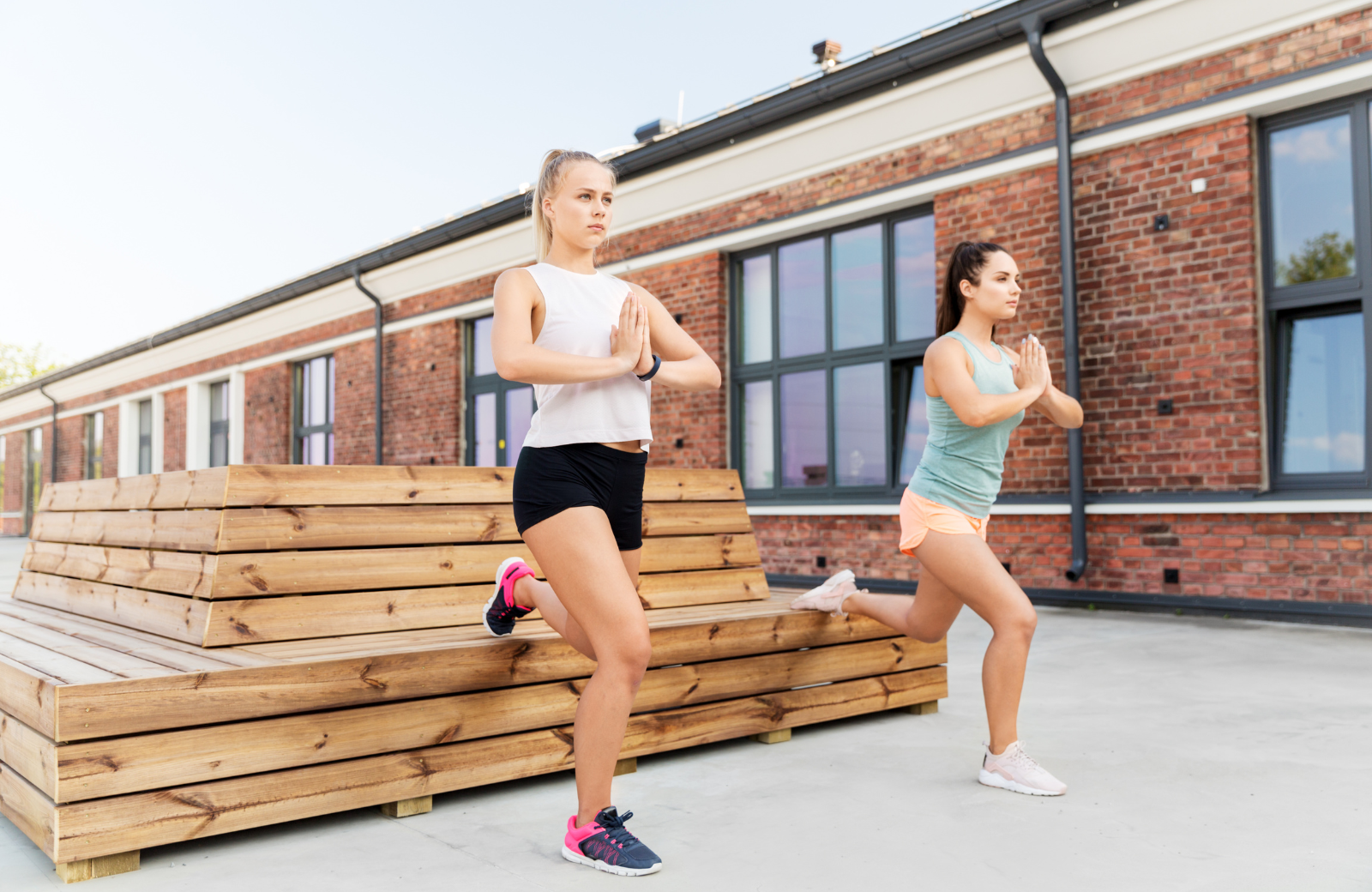
Once pain and swelling settle and motion returns, you train more like an athlete again. The focus is restoring quad and hamstring strength, building powerful glutes, and relearning quality squats, step-downs, and lunges.
Goblet and split squats, step-ups and controlled step-downs, bridges and hip thrusts, and hamstring curls and Romanian deadlifts all fit here. Form matters more than weight, because clean movement protects the graft and prepares it for speed.
Phase 3: Power, Agility, and Return to Running
As strength improves, you add speed and impact.
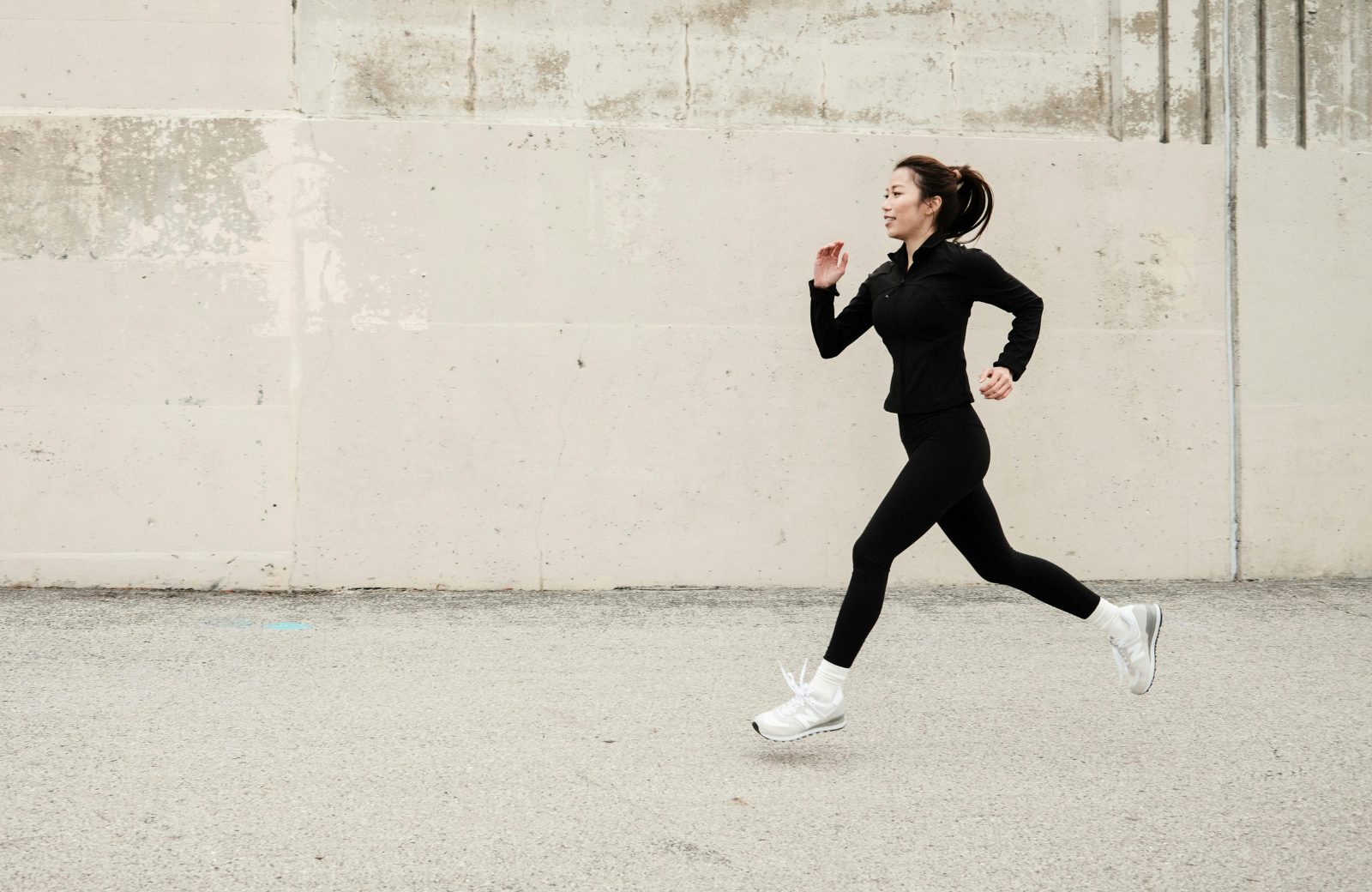
Return to running should follow clear criteria, strong single-leg control, good balance, and minimal swelling after workouts, not just a date.
A typical plan uses walk-jog intervals on flat ground, a gradual build in running time, and careful tracking of swelling and soreness, alongside plyometrics like two-leg and single-leg hops, lateral shuffles, and small box jumps with soft, quiet landings. Our runner performance program helps dial in cadence and mechanics as you return.
Phase 4: Sport-Specific Return
Now rehab starts to look like real practice. Runners build longer, varied-pace runs and return to hills and speed. Golfers train single-leg balance, hip and trunk rotation, and controlled loading from trail leg to lead leg. Hockey players and cutting-sport athletes work lateral acceleration and deceleration, edge work, and reactive drills with decision-making.
Objective testing, hop tests, side-to-side strength, and movement assessments answer the real question: are you ready for full games, not just light practice?
What Sets High-Performance ACL Rehab Apart
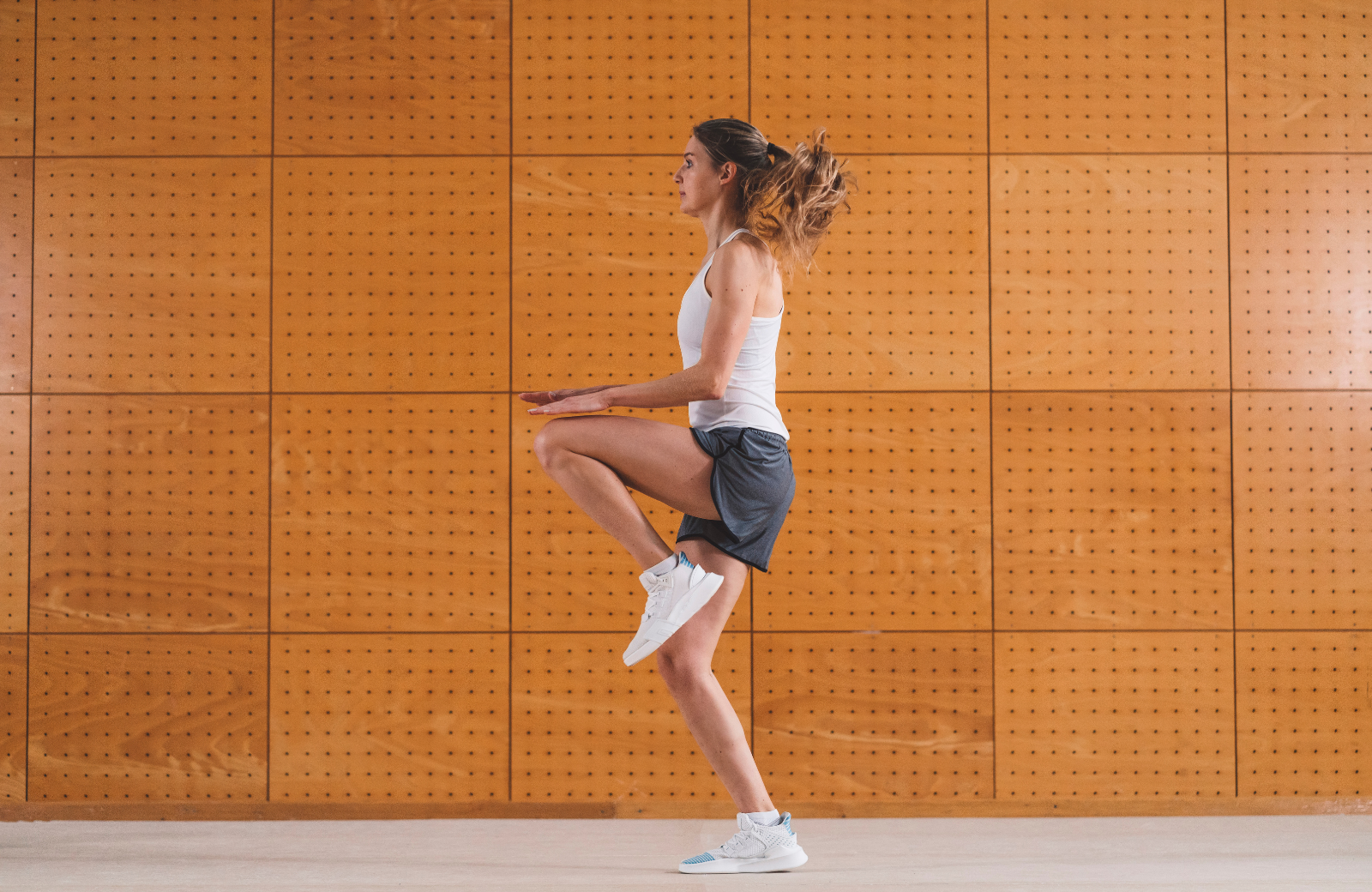
Active adults often feel let down by high-volume clinics, repeating the same three exercises while the therapist watches several people at once. A high-performance approach treats you as a whole athlete, not just a surgical knee, and the plan evolves with you.
- Individualized, not cookie-cutter: one-on-one sessions, movement analysis of your hips, trunk, and feet as well as the knee, and progressions tied to your goal, whether that is league play or a planned race.
- Movement screening and performance testing: side-to-side strength testing, single-leg hop tests, balance assessments, and video analysis turn guesswork into data that guides every decision.
- Confidence, not just strength: trust returns through repeated reps where the knee performs under gradually higher stress, starting controlled and building to game-like drills.
Returning to Your Sport With Confidence
You can have strong test numbers and still hesitate to trust your knee, and that fear is normal after a major injury. Good rehab respects the mental side, building confidence through low-risk versions of key movements that progress to game-like drills, and through honest conversation about fear rather than pretending it does not exist.
Many athletes describe a specific moment when it clicks, a fast break, a strong drive off the tee, or a sprint to the finish, when they realize they did not think about the knee at all. A sport-specific, criteria-based plan is what prepares you for that turning point.
At Auto-Ness, every session is one-on-one with a Doctor of Physical Therapy, focused on getting you back stronger than before, not just cleared.
Frequently Asked Questions
How long does physical therapy take after ACL reconstruction?
Most ACL rehab runs roughly nine to twelve months before a full return to cutting sports, though earlier milestones like walking, running, and gym strength come sooner. The exact timeline depends on your graft, your sport, and how you progress through each phase, which is why criteria matter more than the calendar.
When can I start running again after ACL surgery?
Running usually begins around three to four months, but only once you have strong single-leg control, good balance, and minimal swelling after activity. Returning to running on clear criteria rather than a fixed date protects the graft and lowers re-injury risk.
Is being cleared by my surgeon the same as being ready for sport?
No. A healed graft on imaging means the tissue is intact, not that your strength, power, and movement control are ready for cutting and landing. Return-to-sport testing, like hop tests and side-to-side strength, is what tells you the knee is truly ready.
What are the phases of ACL rehab?
Rehab moves through four phases: protecting the knee and restoring motion, rebuilding strength and movement quality, adding power and a return to running, and sport-specific training with return-to-play testing. Each phase builds on the one before it.
Can I lower my risk of re-tearing my ACL?
Yes. Completing full criteria-based rehab, building symmetrical strength, training landing and cutting mechanics, and not rushing back early all meaningfully reduce re-injury risk. Skipping the later, sport-specific phases is where many re-tears begin.
Do I really need physical therapy after ACL reconstruction?
Yes. Surgery repairs the ligament, but it does not restore the strength, control, and confidence your sport demands. Structured physical therapy is what rebuilds the whole system around the knee so you return safely and fully.
Come Back Stronger Than Before
You do not have to navigate ACL recovery alone, or settle for a checklist of basic exercises. At Auto-Ness Physical Therapy in San Diego, we guide runners, golfers, and hockey players across Scripps Ranch, Poway, and North County through a structured, sport-specific plan back to full performance.
Ready for a smarter return to sport? Call us at 858-324-5537 or book your free Discovery Visit. Want to talk it through first? Speak with a PT, and we will map out your next step.