Physical Therapy After ACL Reconstruction: A High-Performance Recovery Guide
How physical therapy after ACL reconstruction helps active adults and athletes rebuild strength, power, and confidence to return to sport safely and fully.

How physical therapy after ACL reconstruction helps active adults and athletes rebuild strength, power, and confidence to return to sport safely and fully.
IT band syndrome is the top cause of outer knee pain in runners. Learn the causes, quick fixes to start today, and how we help you run pain free.

Use this knee pain location chart to decode what front, inner, outer, and back-of-knee pain mean, and what to do about each. A San Diego physical therapist’s guide.

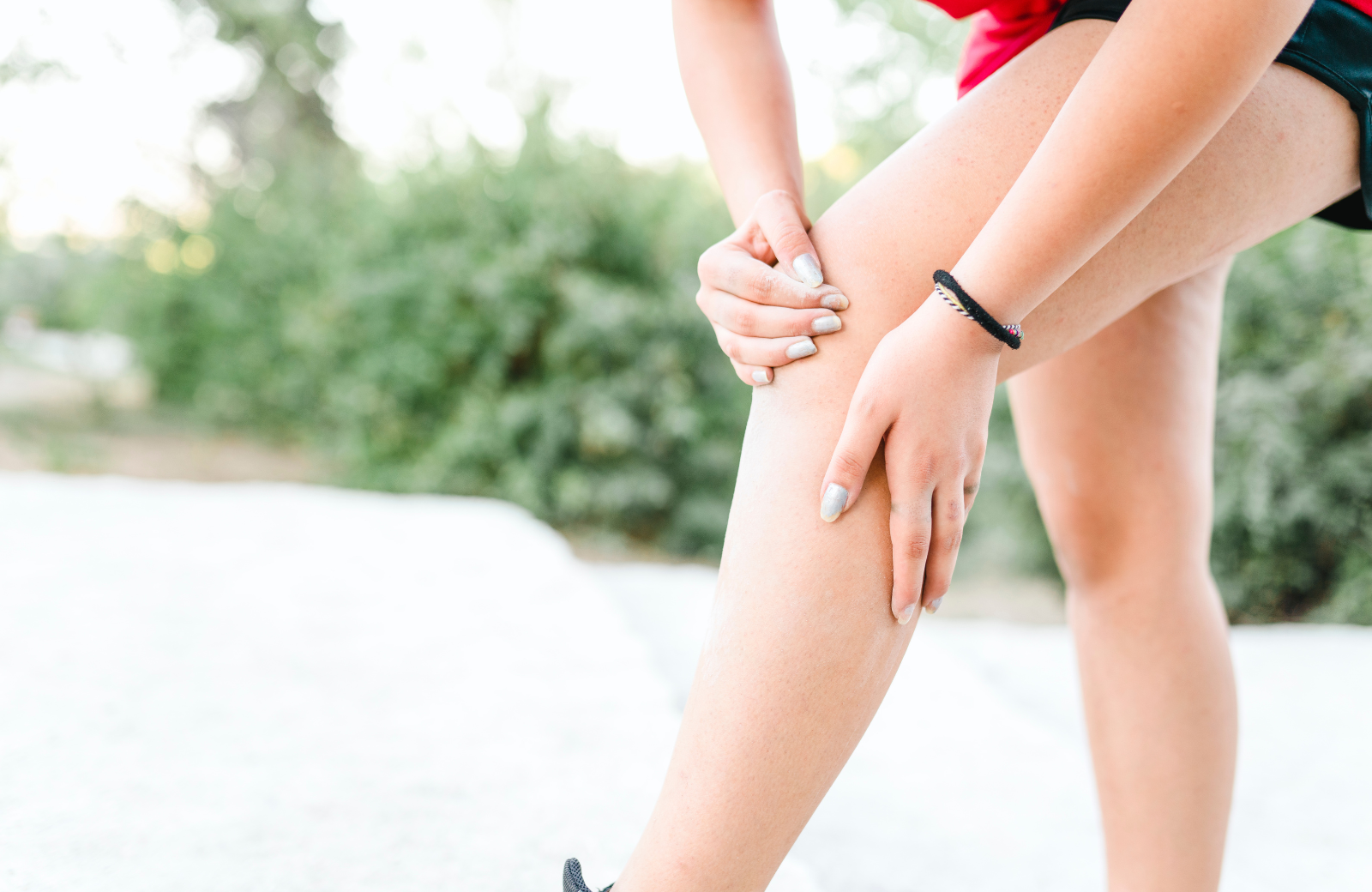
Lateral knee pain can turn a great run, a smooth golf swing, or a pickup hockey game into something you dread instead of enjoy. If you are active and performance minded, even a little ache on the outside of your knee can feel like a huge threat to your season, your training plan, or your stress relief. As a sports physical therapist, I see this all the time in active adults and athletes around Scripps Ranch and greater San Diego. You feel strong and fit, then your lateral knee starts talking to you on hills, in the back nine, or when you cut and change direction. Most people try to shake it off at first. You might rest a few days, stretch your IT band, buy a new brace, or ice after workouts, then hope it just goes away. Sometimes that works for a short time. More often, the pain comes back as soon as you ramp up your mileage, swing speed, or skating intensity again. The good news is that lateral knee pain is rarely about a bad knee that you need to baby forever. It is usually a sign that your body is asking for better strength, control, or movement patterns, especially through your hips, core, and feet. In this blog, we walk through what is really going on with lateral knee pain in runners, golfers, hockey players, and active adults. You learn what tends to cause it, why quick fixes often fail, and how a sports PT approach can help you move, train, and compete with confidence again.

When you feel knee pain when bending, it’s easy to brush it off as stiffness or age catching up with you. But that ache is your body’s way of saying something’s off—and it deserves your attention.
Ignoring the pain can lead to bigger problems that affect your movement, workouts, and even your daily routine. Small warning signs today can turn into long-term damage tomorrow if you don’t act.
You might notice:
A sharp pinch when standing from a chair
A dull ache during squats or stairs
A feeling like your knee might “give out”
These aren’t just random discomforts. They’re signals from your joints and muscles asking for help. The good news? When you understand what’s causing the pain, you can fix it before it controls how you live.

You lace up, hit the ice, and try to ignore that sharp pain in your knee. Playing through a sprained knee might feel tough and necessary, but it often sets you up for a longer recovery.
A sprained knee in hockey is more than just soreness. It signals damage to the ligaments that keep your joint stable, and ignoring it can lead to more severe problems.
When you push through this type of injury, you risk:
• Slower recovery times
• Increased chance of re-injury
• Long-term instability and weakness
You want to keep skating, but your body is warning you that it needs care. Listening now means you protect your game, your health, and your future on the ice.

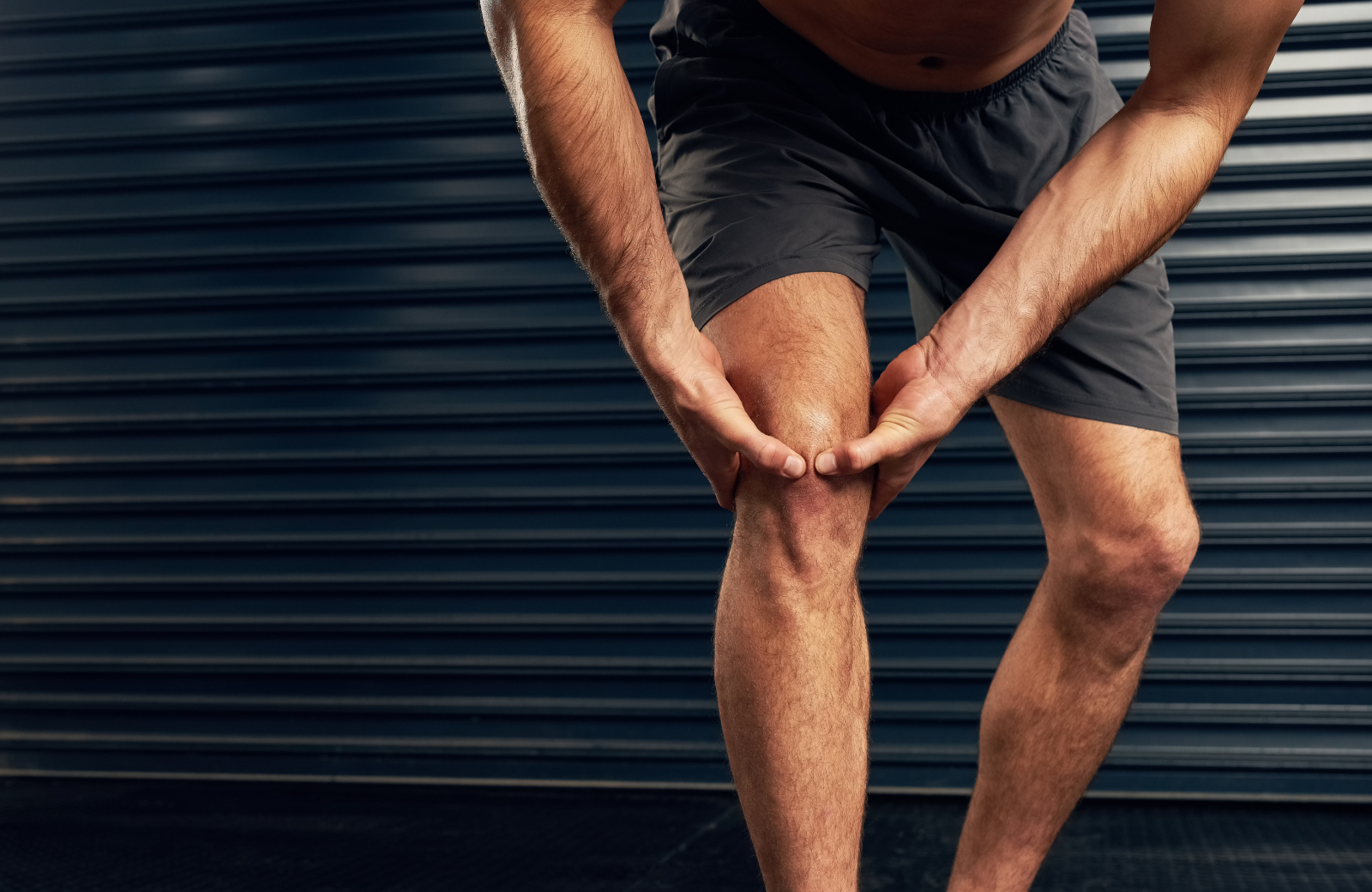
Medial knee pain can stop you in your tracks, whether it’s during a workout, a run, or even a simple walk across the room. It’s frustrating, and it often feels like it came out of nowhere. What makes it even trickier is that the pain isn’t always from where you think. The real problem can start somewhere else in your body and work its way to your knee. You might be dealing with: • Weak hip muscles that shift stress to the inside of your knee • Tight calf or hamstring muscles pulling your knee out of balance • Poor movement patterns in daily activities or sports If you’ve been treating only the pain itself, you could be missing the actual cause. Fixing the root issue is the key to lasting relief.
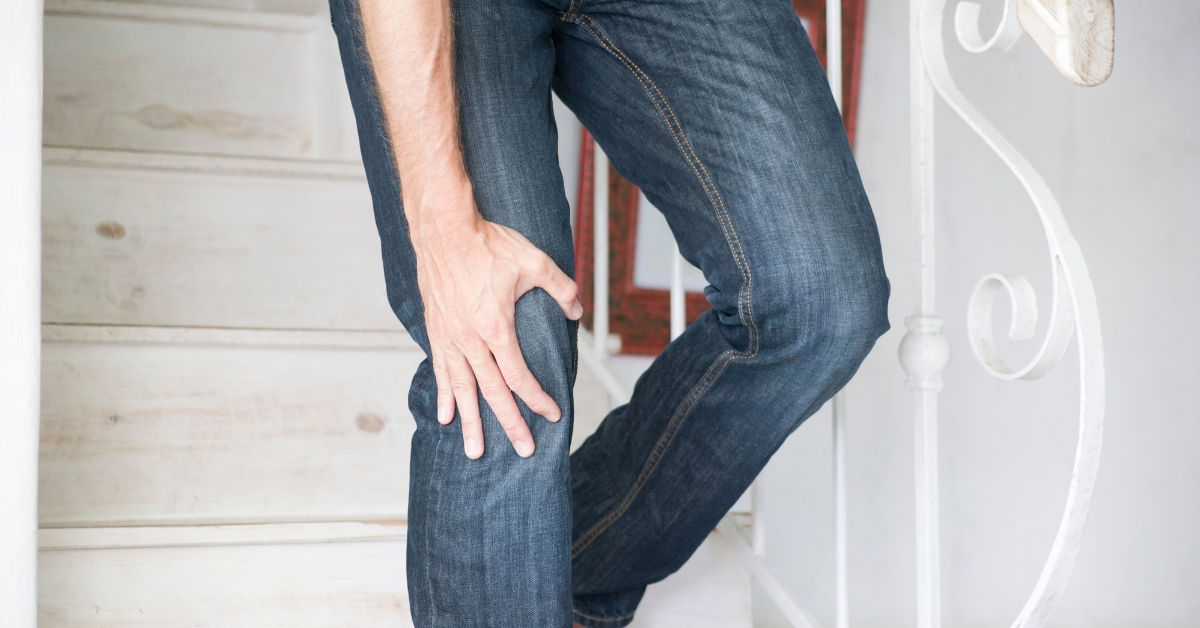
If it hurts to straighten your knee, you already know how frustrating it is to deal with that lingering pain every time you stand or walk. Whether it started after a tough workout, a minor twist, or seemingly out of nowhere, it’s stopping you from moving the way you want to.
You might be wondering if it’s something serious. Or maybe you’ve tried resting, stretching, or even icing, but the pain keeps coming back
The good news? Many cases of knee pain like this don’t need surgery at all. With the right approach, you can feel stronger and more confident in your movement again.
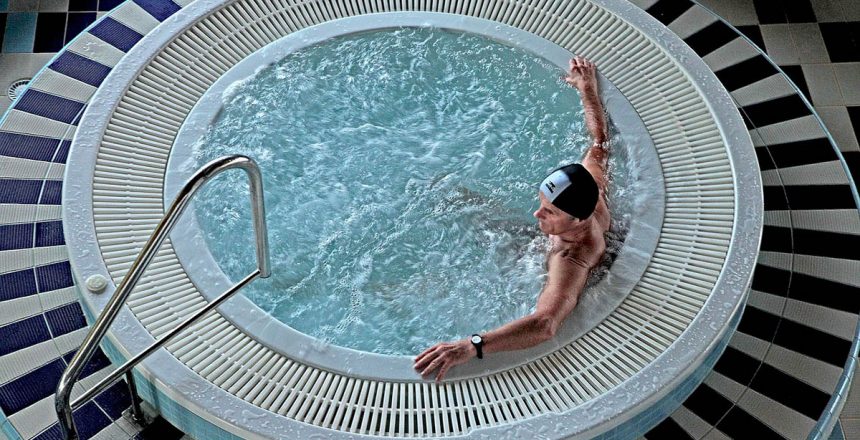
San Diego sports medicine physical therapy providers help athletes improve performance, regain strength, and achieve sports injury rehabilitation. As an athlete, accessing appropriate care is
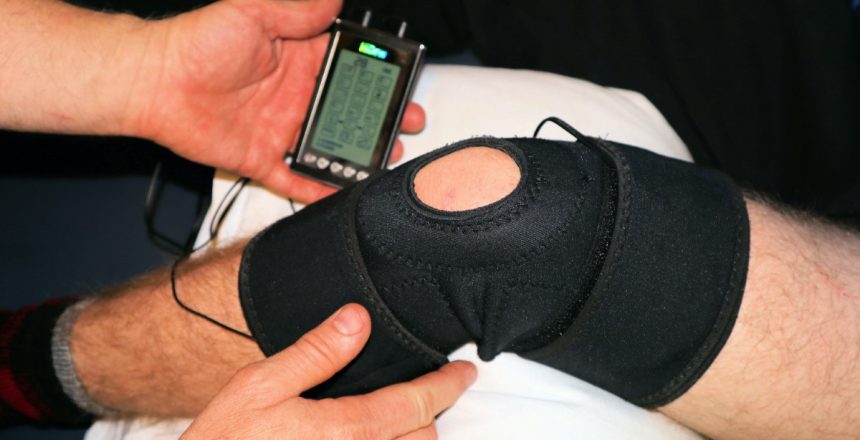
If you live on the Pacific coast of California with a physical problem, consider accessing physical therapy in San Diego. These medical professionals will help