

IT band syndrome is the most common reason runners feel sharp or burning pain on the outside of the knee. It happens when the iliotibial band, a thick strip of tissue running from your hip to your knee, gets overloaded and irritated where it crosses the outside of the joint.
The good news is that most cases calm down without surgery once you fix the training load and the hip weakness behind them. You do not have to stop running forever, and you do not need to jump straight to injections.
Below, we walk you through what IT band syndrome is, why it flares, how to tell it apart from other knee problems, and the exact steps we use to get you back on the road.
Here are five things you can do today:
- Cut your running volume and stop any downhill or cambered routes for now.
- Ice the outside of the knee for ten to fifteen minutes after activity.
- Start gentle side-lying hip strength work for the glutes.
- Swap worn-out shoes and avoid always running on the same slanted side of the road.
- Book a movement assessment so you fix the cause, not just the symptom.
What Is IT Band Syndrome?
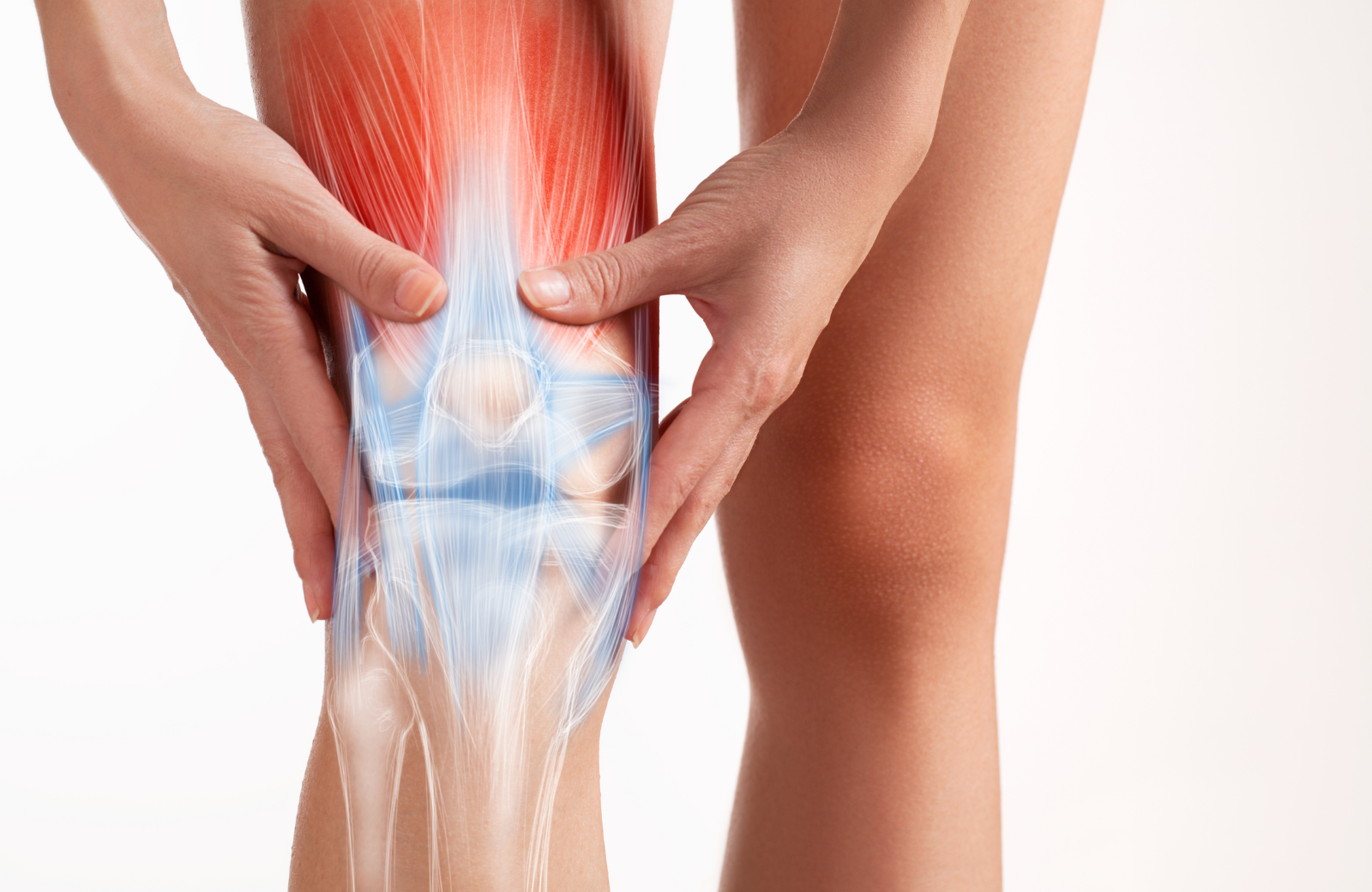
IT band syndrome is an overuse injury that creates pain on the outside of the knee and sometimes the outside of the hip. The iliotibial band runs down the outer thigh and helps stabilize your knee every time your foot strikes the ground.
When that band gets tight, or the hip muscles above it get weak, the tissue compresses and irritates a sensitive spot on the outer knee. According to StatPearls, IT band syndrome is the most common cause of lateral knee pain in runners and cyclists, so if your outer knee hurts when you run, this is a leading suspect.
We see it most in runners who ramp up mileage quickly, but cyclists, hikers, and hockey players get it too. It rarely shows up in people who are not active, which tells you a lot about the cause.
What Causes IT Band Syndrome in Runners?
Most IT band syndrome comes from a load that climbs faster than your body can adapt, combined with weak or lazy hip muscles. The band itself is usually not the villain; it is the messenger.
Training Errors and Sudden Mileage Jumps
Big weekly mileage jumps are the classic trigger. When you add too much too soon, the outer knee spends more time in the range where the band compresses that tender zone.
Downhill running and always running on the same side of a cambered road make it worse. Both change how your knee bends at foot strike and pile stress onto the same spot.
Hip and Glute Weakness
Weak hip muscles, especially the glute on the side of your standing leg, let the knee collapse inward with every step. That inward drift ramps up tension along the whole band.
This is why we treat the hip, not just the knee. Strong hips keep the knee tracking straight and take the strain off the outer knee.
Footwear, Surfaces, and Biomechanics
Worn-out shoes, a leg length difference, and a foot that rolls in can all tilt the load toward your outer knee. None of these guarantee IT band syndrome, but they stack the odds.
We look at your gait, your shoes, and your usual routes together. Fixing one factor while ignoring the others is how flares keep coming back.
What Does IT Band Syndrome Feel Like?
IT band syndrome feels like a sharp, aching, or burning pain on the outside of the knee that shows up during a run. Early on, it eases when you stop, then returns the next time you push the same distance.
As it gets worse, the pain starts sooner and lingers longer. Some runners notice a snap or click on the outer knee, and the area can feel warm or tender to the touch.
- Pain on the outside of the knee that grows the longer you run.
- Pain that spikes on downhills or when you slow to a stop.
- A snapping or clicking feeling on the outer knee.
- Tenderness when you press just above the knee joint on the outside.
- In some cases, a matching ache on the outside of the hip.
How Do You Know It Is Your IT Band and Not Something Else?
You can tell IT band syndrome apart by the exact location and the pattern. The pain sits on the outside of the knee and tracks with running load, not with twisting or swelling inside the joint.
Other problems cause knee pain in different spots and for different reasons. This quick comparison helps you sort them out before your visit.
| Condition | Where It Hurts | Common Trigger | Telltale Sign |
|---|---|---|---|
| IT band syndrome | Outer knee | Running volume, downhills | Pain is worse the longer you go |
| Runner knee | Front of knee, around the kneecap | Stairs, squats, sitting long | Achy pain under the cap |
| Meniscus irritation | Along the joint line | Twisting, deep bending | Catching or swelling |
| Outer ligament strain | Outer knee | A blow or awkward plant | Instability after an event |
If your pain lives on the outside of the knee and climbs with mileage, IT band syndrome is likely. When you feel locking, giving way, or a swollen joint, we look closer for other causes.
How Do You Treat IT Band Syndrome?
You treat IT band syndrome by calming the irritated tissue first, then rebuilding hip strength and running mechanics so it does not return. Rushing back to full mileage is the fastest way to restart the pain.
Cleveland Clinic notes that IT band syndrome accounts for about 12 percent of running injuries, and that most people improve within four to eight weeks with a plan that avoids surgery. That plan works best when it targets the cause.
What You Can Do at Home Today
Back off the mileage and skip hills and slanted surfaces for now. Ice the outer knee after activity and use short-term over-the-counter pain relief if your provider agrees.
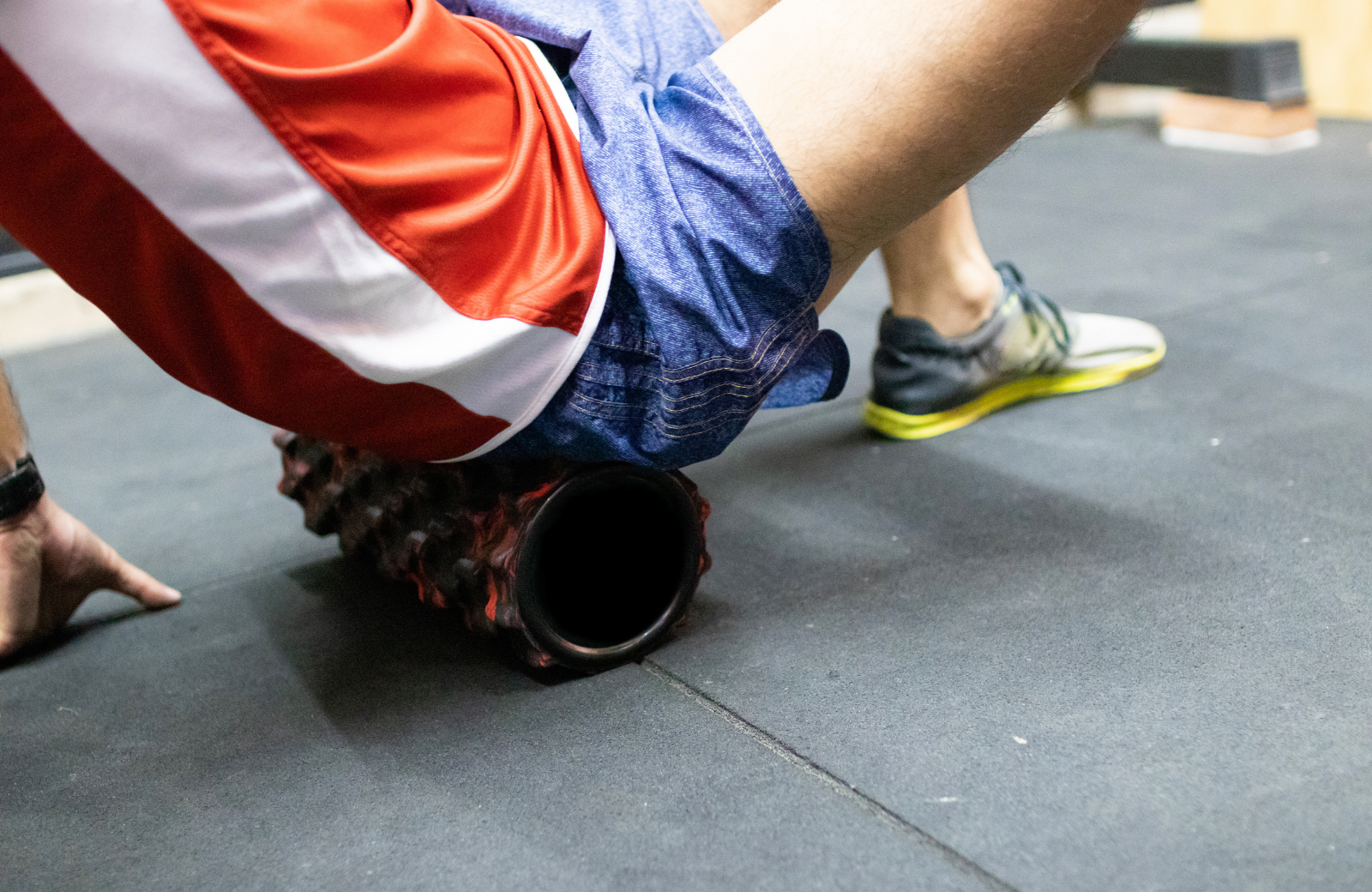
Gentle foam rolling of the outer thigh can ease symptoms, but it does not fix the weakness underneath. Think of it as a warm-up tool, not the whole cure.
How One-on-One Physical Therapy Fixes the Root Cause
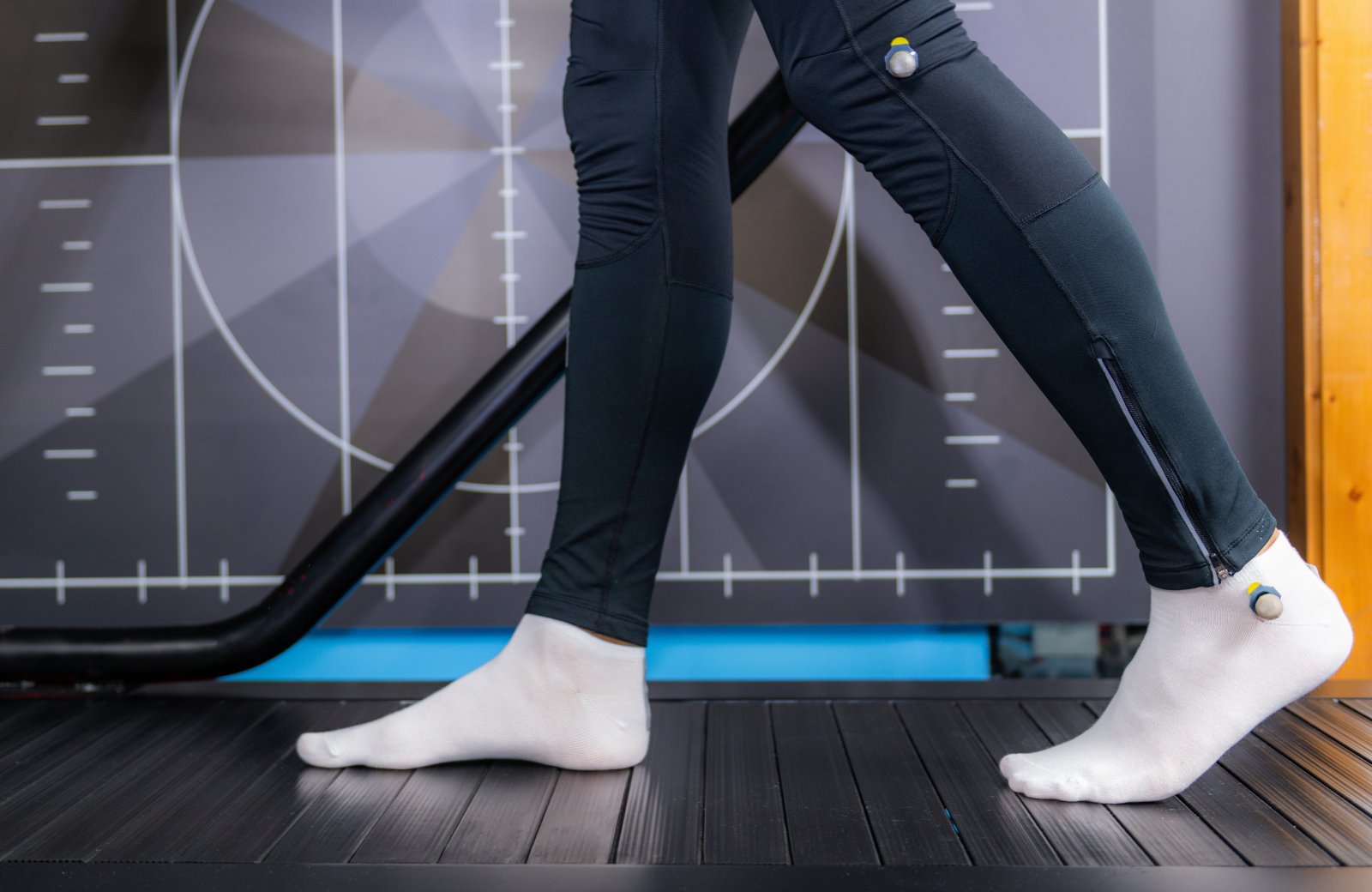
We start with a full movement assessment to find where the load is going wrong. Then we build a plan that strengthens your hips, retrains your stride, and loads the tissue back up in the right order.
Every session is a full hour with a Doctor of Physical Therapy, with no techs and no aides. Our running performance physical therapy looks at your whole body so the outer knee stops taking the hit.
What to Avoid While You Heal
Do not push through sharp outer knee pain in the hope it fades. Pain that climbs during a run is a signal to stop and adjust, not to grind on.
- Avoid downhill routes and always run the same camber.
- Avoid sudden mileage jumps when you return to running.
- Avoid relying on foam rolling alone without strength work.
- Avoid long rest with zero loading, which leaves the hip weak.
What Exercises Help IT Band Syndrome?
The exercises that help most build strength in the hips and glutes, since that is where the load problem usually starts. Mobility drills and gentle tissue work support the strength, but they do not replace it.
Hip and Glute Strength
Side-lying leg raises, clamshells, and single-leg bridges wake up the muscles that keep your knee tracking straight. We start light and add resistance as your control improves.
Standing hip work, like a slow step down or a controlled single-leg squat, teaches your knee to stay aligned under load. That carries straight over to your running form.
Mobility and Tissue Work
Gentle hip mobility drills help your stride move freely without forcing the band. Foam rolling the outer thigh and glutes can ease tightness before a session.
| Exercise | Target | Why It Helps |
|---|---|---|
| Clamshells | Hip rotators | Steady the knee at foot strike |
| Side-lying leg raises | Outer hip | Stop the inward knee drift |
| Single-leg bridges | Glutes | Drive the stride from the hip |
| Step downs | Whole leg control | Retrain knee alignment |
We coach each move in person so your form is right from day one. Sloppy reps feed the same pattern that caused the pain.
Does IT Band Syndrome Go Away on Its Own?
IT band syndrome can settle on its own if you rest long enough, but it often returns the moment you go back to your old training. Rest calms the symptom while the hip weakness and load errors stay in place.
That is why so many runners get stuck in a stop-and-start cycle for months. A short, focused plan that fixes the cause usually beats waiting and hoping.
How Long Does IT Band Syndrome Take to Heal?
Most runners feel real improvement in four to eight weeks when they follow a structured plan. Milder cases settle faster, and stubborn cases take longer if the hip weakness goes unaddressed.
Here is a general timeline we share with our runners. Your path may move faster or slower based on how early you start and how consistent you are.
| Stage | Typical Window | Focus |
|---|---|---|
| Calm the flare | Week 1 to 2 | Reduce load, ice, gentle hip work |
| Rebuild strength | Week 2 to 5 | Glute and hip strengthening, mobility |
| Retrain running | Week 4 to 8 | Stride work, gradual mileage return |
| Stay pain-free | Ongoing | Maintenance strength, smart load jumps |
How Do You Prevent IT Band Syndrome From Coming Back?
You prevent IT band syndrome by keeping your hips strong and building mileage gradually. Prevention is mostly about load management and a few minutes of targeted strength each week.
- Increase weekly mileage slowly, not in big leaps.
- Keep up glute and hip strength two to three times a week.
- Vary your routes and avoid always running the same slanted side.
- Replace running shoes before they break down.
- Warm up before speed work and ease into downhills.
If outer knee pain returns, treat it early. A short course of knee pain physical therapy at the first sign beats months of stop-and-start running.
Frequently Asked Questions
Can I keep running with IT band syndrome?
You can sometimes keep running at a much lower volume, but only if the pain stays mild and does not climb during the run. If the outer knee pain sharpens as you go, stop for the day and let a therapist guide your return so you do not stall your recovery.
Does foam rolling fix IT band syndrome?
Foam rolling can ease symptoms for a short time, but it does not fix the hip weakness or training errors that caused the problem. Use it as part of a warm-up, then put your real effort into hip strength and stride work.
Is IT band syndrome the same as runner’s knee?
No. IT band syndrome causes pain on the outside of the knee, while runner’s knee causes pain around the front of the kneecap. They can feel similar during activity, so a hands-on assessment helps confirm which one you have.
Should I stretch my IT band?
The band itself does not stretch much, so aggressive stretching rarely solves the problem. Better mobility of the hip and gentle movement help more than trying to lengthen the band directly.
When should I see a physical therapist for outer knee pain?
See a therapist when the pain lasts more than a week, returns every time you run, or keeps you from training. Early care shortens recovery and lowers the chance that the pain becomes a long-term issue.
Do I need surgery for IT band syndrome?
Surgery is rare and only considered when months of non-surgical care have failed. The large majority of runners recover fully with load changes, hip strengthening, and gait retraining.
Get Back to What You Love Without the Outer Knee Pain
IT band syndrome does not have to end your running. When you fix the load and the hip strength behind it, the outer knee pain fades, and your miles come back.
How We Help Runners in Scripps Ranch
We give you a full hour, one-on-one sessions with a Doctor of Physical Therapy, never a tech or an aide. We find the root cause, build your plan around your goals, and keep you moving while you heal.
You also get a therapist who answers you within twenty-four hours and clear pricing with no surprise bills. Movement is medicine, and we help you use it.
Book Your Visit Today
Call us at 858.324.5537 to start with a free phone consultation or a free Discovery Visit. You can also request an appointment online, and we will help you get back on the road.