

Hamstring tendinopathy usually won’t heal with rest alone because injured tendons need progressive loading, not prolonged inactivity, to regain strength. While resting may temporarily reduce pain, it does not repair the tendon or address the movement patterns contributing to the injury. This guide explains why symptoms persist, what treatments work, and how physical therapy can help you recover and prevent future flare-ups.
Key Takeaways:
- Hamstring tendinopathy often requires progressive strengthening rather than complete rest.
- Rest may reduce pain temporarily but does not restore tendon strength or function.
- Physical therapy addresses tendon loading, muscle imbalances, and movement mechanics.
- Early treatment may help prevent chronic pain and recurring hamstring injuries.
- A personalised rehabilitation program can help you return to running, sports, and daily activities with confidence.
How Do You Heal Hamstring Tendinopathy and Prevent It From Returning?
Hamstring tendinopathy heals through progressive rehabilitation that gradually strengthens the injured tendon and improves movement mechanics. While rest may calm symptoms temporarily, long-term recovery depends on restoring tendon capacity, correcting muscle imbalances, and safely returning to activity.
Why Isn’t Rest Enough?
Hamstring tendinopathy is not just about sore hamstring muscles.
The affected tendon, often near the ischial tuberosity or “sit bone,” takes on repetitive strain from running, lifting, or long hours of sitting.
Rest may calm irritation for a moment, but it does not rebuild tendon capacity or address intrinsic factors like weakness and poor movement control.
When you rely on rest alone, the proximal hamstring tendons remain fragile. That leaves you vulnerable to recurring tendon complaints and chronic high hamstring tendinopathy.
If you’re ready for rapid pain relief that lasts, we’re here to guide you. At Auto-Ness Physical Therapy, you don’t just recover—you return stronger.
Call us today at 858-324-5537 to request your session and start moving without pain.

Pinpointing the Root Cause With Sports PT
The first step in treating tendon pain is a thorough evaluation. Diagnostic imaging and hands-on assessment help confirm if you’re dealing with proximal hamstring tendinopathy, a hamstring tendon injury, or even a severe tendon tear near the hamstring insertion.
As a sports PT, I look for patterns such as:
- Prolonged sitting that leads to proximal hamstring pain or deep buttock pain
- Repetitive stress from hill running or weightlifting
- Weakness in the semimembranosus tendon or semitendinosus muscle compared to the biceps femoris
- Extrinsic factors like training volume, footwear, or posture during hip flexion
Building Strength Back Into the Tendon
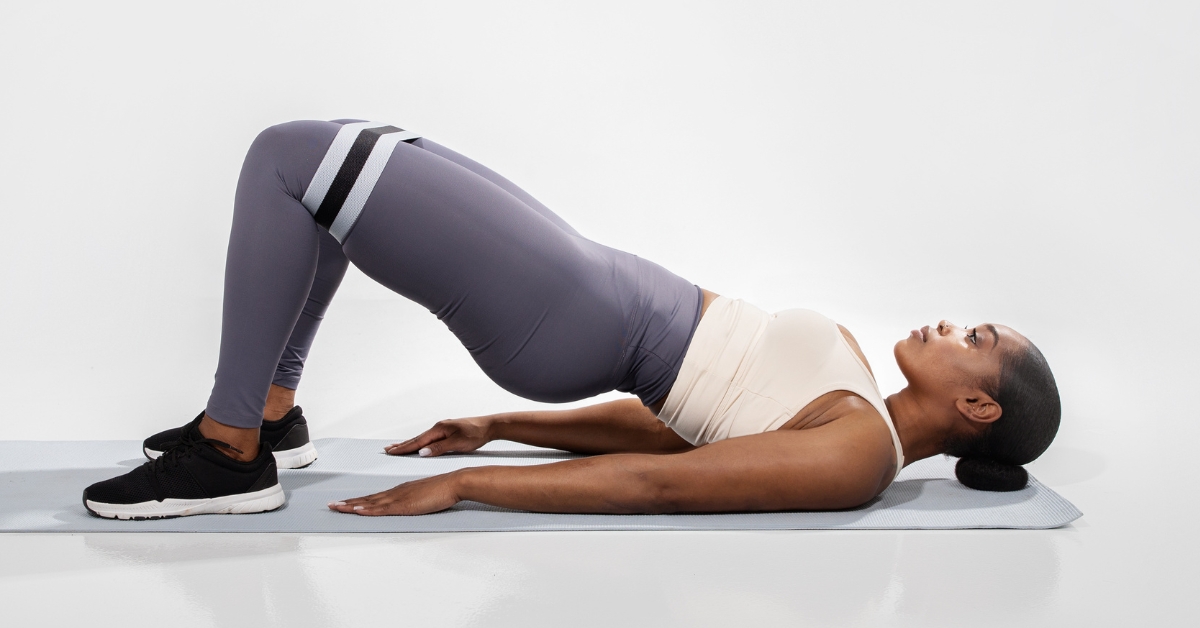
Rehabilitation exercise is the most effective evidence-based treatment modality for hamstring tendon pain.
Strengthening exercises target not just the hamstring muscles but also the pelvic bone stabilizers that protect the tendon.
Your program should include:
- Slow, progressive strengthening for the proximal hamstring and surrounding soft tissue
- Functional training to prepare you for running, jumping, or heavy lifts
- Controlled micro trauma through eccentric movements to promote healing in the tendon
- Stretching and mobility work to relieve inflammation and reduce pain
Conservative Management Strategies That Work
Most hamstring injuries respond well to conservative treatment when guided correctly. Conservative management strategies include:
- Progressive loading
- Soft tissue work
- Activity modification
If imaging tests reveal tendon tears or ischial bursitis, we adapt your rehabilitation regimen to protect the injured area. Surgical treatment becomes an option only when conservative management cannot resolve significant pain or restore tendon strength.
Training Smarter in San Diego
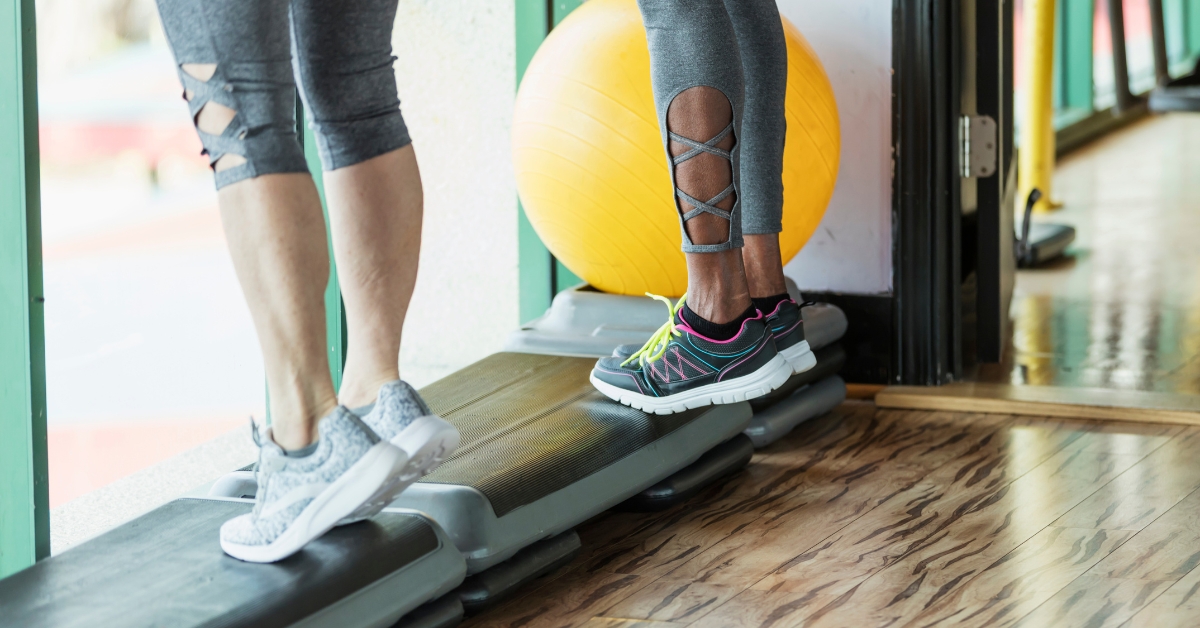
Here in San Diego, you want to stay active for events like the Rock ‘n’ Roll Marathon or weekend runs around Lake Miramar.
Chronic tendon injury can hold you back if you don’t build resilience into your hamstring tendon. Sports PT strategies focus on returning you to the activities you love without flare-ups.
By sticking with a complete physio approach, you can:
- Reduce pain during workouts and daily life
- Prevent repetitive strain from turning into long-term tendon complaints
- Keep from feeling pain with every stride or squat
- Train confidently for races, gym sessions, and local sports leagues
Healing hamstring tendonitis is not about avoiding movement. It’s about following a structured rehabilitation regime that restores strength, protects your proximal hamstring, and helps you move forward without setbacks.
Lasting and Rapid Pain Relief with Physical Therapy
Why We Focus on the Root Cause
At Auto-Ness Physical Therapy, we don’t just mask symptoms. We look closely at your movement patterns, muscle imbalances, and the real source of your pain. By targeting the root cause, you get lasting relief instead of temporary fixes.
You may feel tendon pain during workouts, sitting, or even walking. We design treatment so your body heals while you stay active.
One-on-One Care That Moves You Forward
You always work directly with a Doctor of Physical Therapy in every session. No aides or techs interrupt your progress.
Our 60-minute sessions give us the time to fully evaluate your movements and create a plan that fits your goals.
What You Can Expect in Treatment
We use evidence-based care to help you heal faster and build strength. Your plan may include:
- Manual therapy and soft tissue mobilization to reduce pain and improve motion
- Functional strengthening exercises for long-term tendon health
- Ergonomic and movement assessments to stop injuries from coming back
- Sports performance rehab for running, hockey, golf, and fitness training
Every detail is designed to help you feel stronger, move better, and get back to what you love.

Take the Next Step Toward Relief
If you’re ready for rapid pain relief that lasts, we’re here to guide you. At Auto-Ness Physical Therapy, you don’t just recover—you return stronger.
Call us today at 858-324-5537 to request your session and start moving without pain.