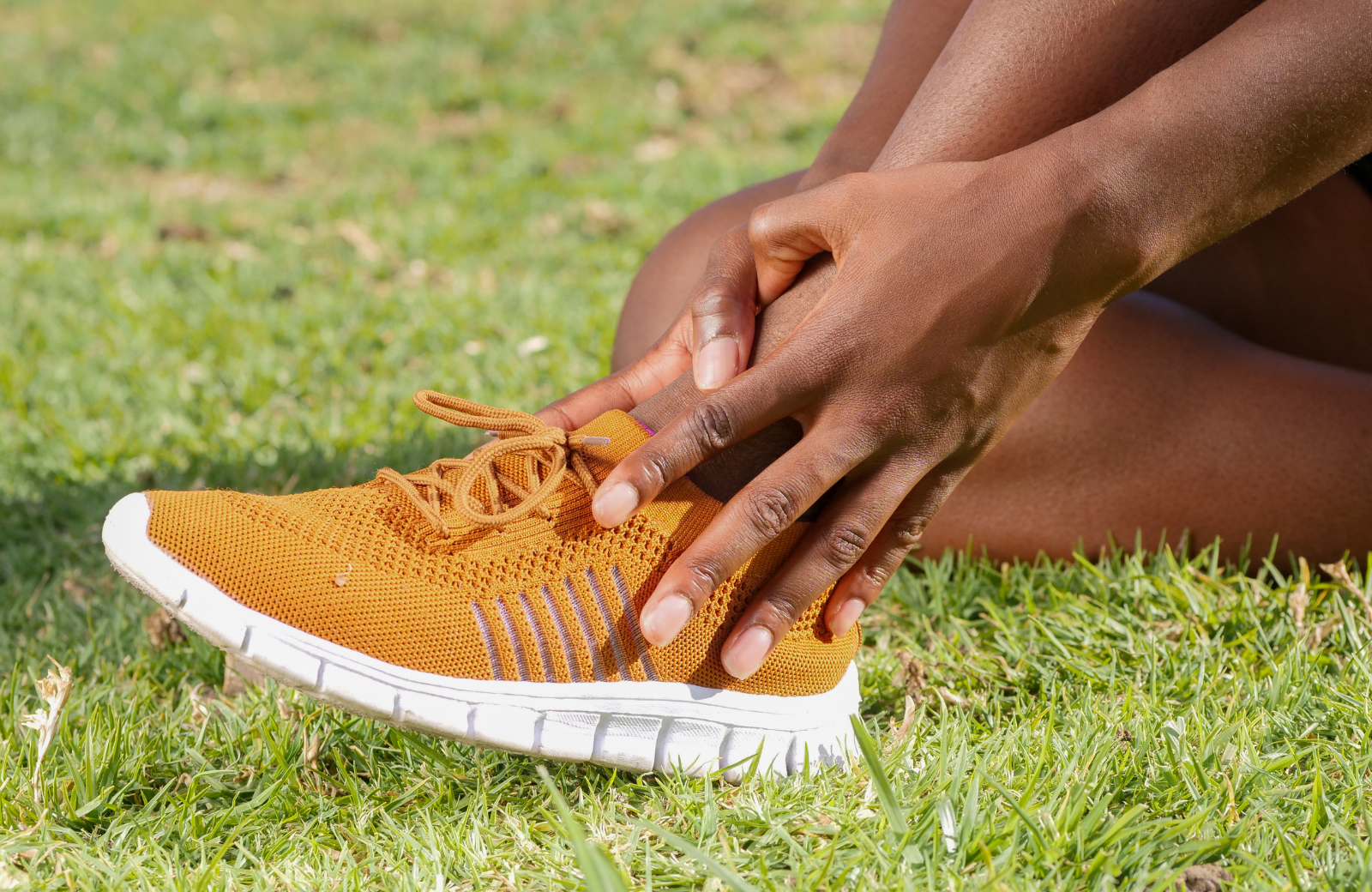
High Ankle Sprain: Why It Heals Slower And How To Come Back Strong
A high ankle sprain heals slower than a rolled ankle. Learn the signs, real recovery timelines, and the rehab steps that get athletes back to sport.

A high ankle sprain heals slower than a rolled ankle. Learn the signs, real recovery timelines, and the rehab steps that get athletes back to sport.

You’ve rested, iced, stretched, and still feel that same nagging pain every time you move. Maybe it’s your knee, shoulder, or back—but no matter what you try, it just won’t let up. That’s when it’s time to look beyond the basics and find sports injury treatment that actually works.
At Auto-Ness Physical Therapy in San Diego, we don’t just treat the surface pain. We look deeper to find the real reason your body isn’t healing. Whether you’re a runner, golfer, or weekend warrior, your movement tells a story—and we know how to read it.
You’ll learn how to move better, heal faster, and stop cycling through temporary fixes. Because here, we believe movement is medicine, and your recovery deserves more than rest and ice.

Most people think injury recovery is about treating pain. But pain is just a symptom—it doesn’t tell the full story. If you only focus on managing pain (like stretching a tight muscle or icing a sore knee), you’re treating the effect, not the cause. That’s like bailing water out of a leaky boat without fixing the hole.
Inspired by Judea Pearl’s The Book of Why, let’s break down how causal analysis is transforming injury recovery.
By addressing the root cause of pain, we can ensure that the injury heals more effectively. This approach not only provides temporary relief but also supports long-term recovery strategies such as physical therapy and nutritional support.