
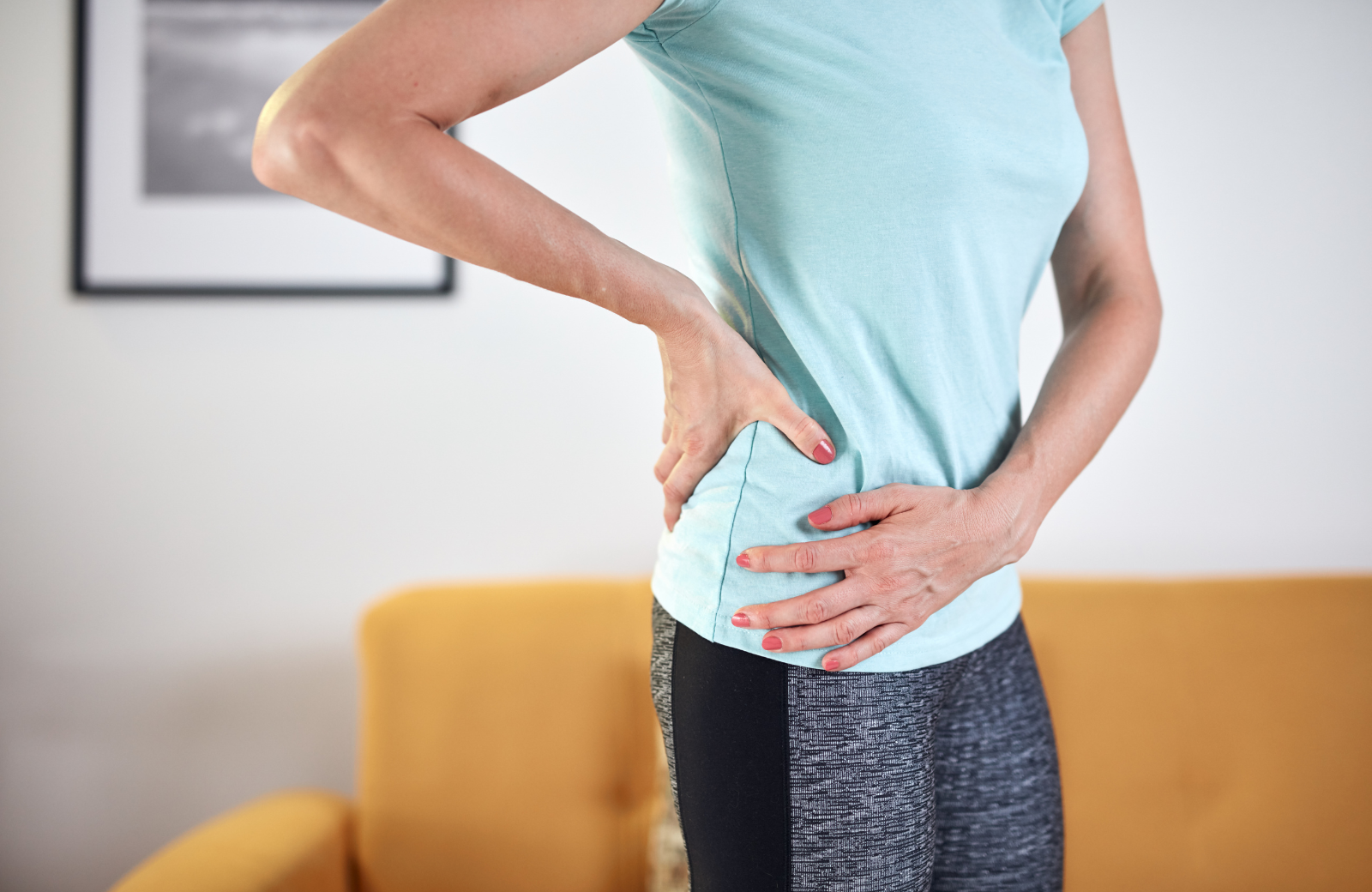
Hip flexor pain is discomfort at the front of your hip or groin, right where your thigh meets your body. It usually comes from overusing or straining the muscles that lift your knee and drive your stride.
Most hip flexor pain settles with the right mix of rest, gentle movement, and targeted strength. You rarely need surgery, and you do not have to give up the activities you love.
Below we explain what hip flexor pain is, what sets it off, how to tell it apart from other front hip problems, and the steps we use to get you moving freely again.
Here are five things you can do today:
- Ease off sprinting, kicking, and deep lunges while the area is sore.
- Use ice on the front of the hip for ten to fifteen minutes after activity.
- Stand up and move every thirty minutes to break up long sitting.
- Start gentle hip flexor and core work once the sharp pain settles.
- Book an assessment if the pain lasts more than a couple of weeks.
What Is Hip Flexor Pain?
Hip flexor pain is pain in the group of muscles at the front of your hip that lift your thigh toward your chest. The main players are the iliopsoas and the rectus femoris, and they work hard every time you run, climb, or kick.
When these muscles get overloaded or torn, you feel a pulling or sharp ache at the front of the hip or groin. A hip flexor strain is simply a tear in that muscle tissue, graded by how many fibers are involved.
Cleveland Clinic calls hip flexor strains one of the most common injuries, especially among athletes, which is why active adults see them so often. They are frustrating, but they usually respond well to care.
The hip flexors do more than lift your leg. They help control your pelvis and keep your stride smooth, so when they hurt, everything from walking to climbing stairs can feel harder.
What Causes Hip Flexor Pain?
Hip flexor pain usually comes from doing too much too fast or from a sudden forceful movement in sport. Tight muscles and long hours of sitting set the stage for both.
Overuse and Training Spikes
Repeating the same motion, like a jump in running mileage or a hard week of hill sprints, can overload the hip flexors. The tissue does not get time to adapt, so it starts to complain.
A review in Clinics in Sports Medicine found that hip flexor injuries range from 5 to 28 percent of injuries among high-risk sports groups, which shows how common they are in active people. Runners, hockey players, and soccer players top the list.
Sitting and Tight Hip Flexors
Long hours at a desk keep the hip flexors in a shortened position all day. When you then sprint or lift your knee hard, those tight muscles are more likely to strain.
This is why we look at your daily habits, not just your workouts. Small changes to how often you stand and move can protect the front of your hip.
Sudden Strains in Sport
A hard kick, a fast twist, or a quick change of direction can tear hip flexor fibers in an instant. You often feel a sharp pull the moment it happens, followed by a nagging ache.
Weakness in the Core and Glutes
When your core and glutes are weak, your hip flexors pick up extra work to keep you stable. Over time, that overload shows up as front hip pain.
Building strength around the hip takes the pressure off the flexors. That is a core part of how we keep the pain from coming back.
What Does Hip Flexor Pain Feel Like?
Hip flexor pain feels like a pulling, tightness, or sharp ache at the front of the hip or groin. It often flares when you lift your knee, sprint, or rise from a deep squat.
A true strain can bring bruising, swelling, or a feeling that the hip is weak. Milder cases feel more like a stubborn tightness that will not let go.
- Pulling or sharp pain at the front of the hip or groin.
- Pain when you lift your knee or drive your leg forward.
- Tightness after long sitting that eases as you warm up.
- Weakness or a limp in more serious strains.
- Bruising or swelling if muscle fibers have torn.
Hip Flexor Strain Versus Other Causes of Front Hip Pain
You can tell a hip flexor strain apart by the location and how it started. The pain sits at the front of the hip and often follows a clear overload or a sudden movement.
Front hip pain has several possible sources, so it helps to compare them side by side before your visit.
| Condition | Where It Hurts | Common Trigger | Telltale Sign |
|---|---|---|---|
| Hip flexor strain | Front of hip, groin | Sprinting, kicking, mileage spike | Sharp pull when lifting the knee |
| Hip impingement | Deep front of the hip | Deep squats, prolonged sitting | Pinch at the top of a squat |
| Labral irritation | Deep front or side | Twisting, pivoting | Clicking or catching in the joint |
| Groin strain | Inner thigh, groin | Side-to-side cuts | Pain when you squeeze the legs together |
If your pain sits at the front of the hip and follows a training spike or a sudden effort, a hip flexor strain is likely. Deep pinching, catching, or locking points us toward the joint instead, and we assess for that.
How Do You Treat Hip Flexor Pain?
You treat hip flexor pain by settling the irritated tissue first, then restoring flexibility and strength so it holds up under load. Most cases heal in a few weeks with the right plan.
Cleveland Clinic notes that most hip flexor strains heal within a couple of weeks using rest and simple at-home care. Adding targeted rehab lowers the chance you strain it again.
Rest alone can leave you weak and tight, which sets up the next strain. That is why we pair early recovery with a gradual return to loading, so the muscle comes back stronger than before.
What to Do in the First Forty-Eight Hours
Stop the activity that caused the pain and give the muscle a short rest. Ice the front of the hip, use gentle compression if it helps, and keep the leg comfortable.
Short-term over-the-counter pain relief can help if your provider agrees. Avoid pushing into sharp pain, since that can turn a mild strain into a worse one.
How One-on-One Physical Therapy Fixes the Cause
We assess your hip, core, and movement to find why the flexor got overloaded. Then we build a plan that restores flexibility, strengthens the hip and core, and loads the muscle back up safely.
Every visit is a full hour with a Doctor of Physical Therapy, with no techs and no aides. Our hip pain physical therapy treats the whole chain so the front of your hip stops carrying the load alone.
Stretches and Strength That Help
Once the sharp pain settles, gentle hip flexor stretching and progressive strength work rebuild your tolerance. We add core and glute strength so the flexors get help from the muscles around them.
- Gentle hip flexor stretch, held without forcing into pain.
- Glute bridges to wake up the muscles behind the hip.
- Core work to stabilize the pelvis during running and lifting.
- Gradual return to sprinting and kicking, guided by how you feel.
What Exercises Help Hip Flexor Pain?
The best exercises restore gentle length in the hip flexors, then build strength in the hip, core, and glutes. Balance matters here, since strength without mobility, or mobility without strength, tends to leave you sore again.
Mobility First
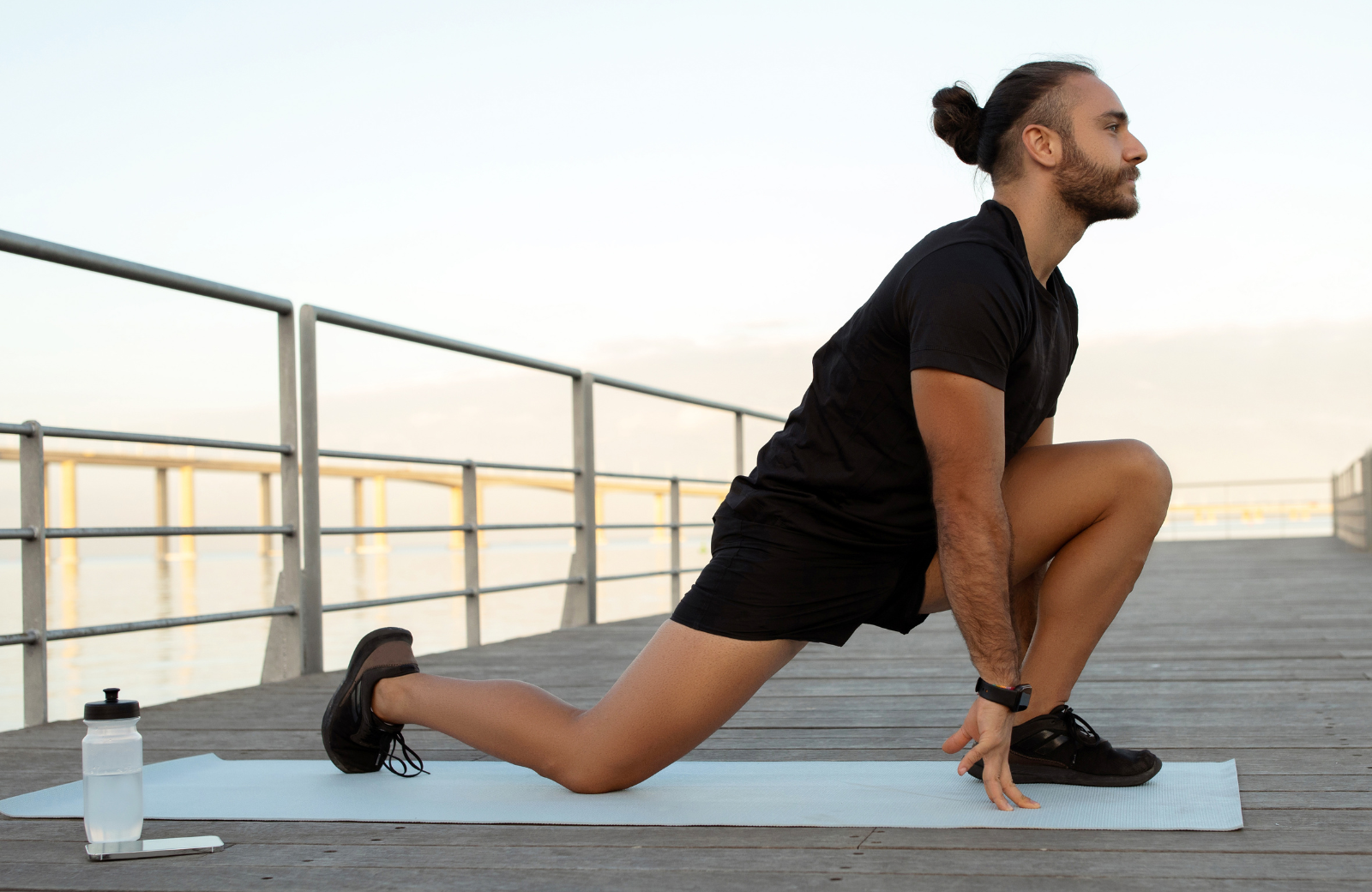
A half-kneeling hip flexor stretch, held gently and without forcing, helps ease the front of the hip. Slow leg swings and easy walking keep the joint moving without a hard strain.
Then Build Strength
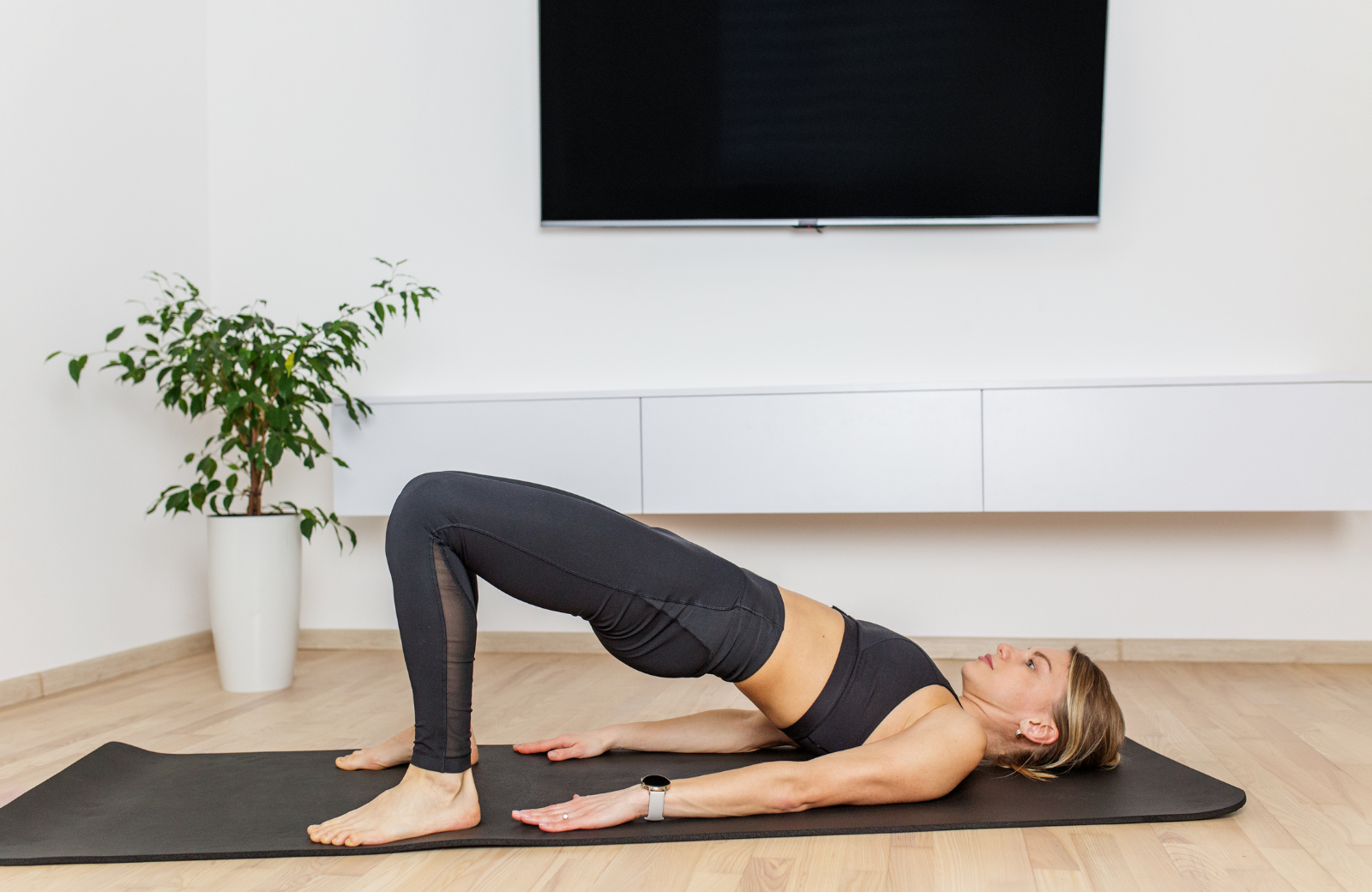
Glute bridges and dead bug drills teach your core and hips to share the load. As you improve, we add standing knee drives and light resistance to prepare you for sport.
| Exercise | Target | Why It Helps |
|---|---|---|
| Half kneeling stretch | Hip flexors | Restore gentle length |
| Glute bridges | Glutes | Support the hip from behind |
| Dead bug | Deep core | Stabilize the pelvis |
| Standing knee drive | Hip flexors | Rebuild strength for sport |
We progress each step based on how the front of your hip responds. Moving too fast is the most common reason a strain lingers.
Can Hip Flexor Pain Cause Back or Knee Pain?
Yes, tight or weak hip flexors can shift stress to your low back and knees. When the front of the hip cannot do its job, other areas pick up the slack and start to ache.
This is why we look at your whole body, not just the sore spot. Treating the hip flexor in isolation often leaves the real driver untouched.
How Long Does Hip Flexor Pain Take to Heal?
Most hip flexor strains improve within a couple of weeks, though the exact time depends on how severe the tear is. Mild strains bounce back fast, while more serious ones need patience.
Here is a general guide by strain grade. We use it to set expectations, then adjust as your body responds.
| Strain Grade | Severity | Typical Recovery | What It Feels Like |
|---|---|---|---|
| Grade 1 | Mild | A few days to two weeks | Minor pulling, full movement |
| Grade 2 | Moderate | Two to six weeks | Sharper pain, some weakness |
| Grade 3 | Severe | Several weeks or more | Major weakness, possible bruising |
If your pain lasts beyond a couple of weeks or keeps returning, that is a sign the cause has not been addressed. Early rehab shortens the road back and protects you from a repeat strain.
How Do You Prevent Hip Flexor Pain?
You prevent hip flexor pain by staying flexible, building strength around the hip, and increasing training load gradually. A few minutes of daily movement go a long way.
- Warm up before sprinting, kicking, or heavy leg work.
- Break up long sitting with a stand and a short walk every half hour.
- Keep your core and glutes strong to support the hip.
- Build mileage and intensity in small steps, not big jumps.
- Stretch the hip flexors gently and often, without forcing them.
Frequently Asked Questions
Can I keep exercising with hip flexor pain?
You can often keep moving with low-impact activity, but you should avoid sprinting, kicking, or deep lunges that reproduce the pain. Pushing through a sharp pull can turn a mild strain into a longer injury, so let comfort guide your effort.
How can I tell a hip flexor strain from a groin strain?
A hip flexor strain hurts at the front of the hip and flares when you lift your knee, while a groin strain hurts on the inner thigh and flares when you squeeze your legs together. The location and the movement that triggers the pain are the biggest clues.
Is sitting all day causing my hip flexor pain?
Long sitting keeps the hip flexors short and tight, which makes them easier to strain when you suddenly move fast. Standing and moving every half hour, along with gentle stretching, helps reduce that risk.
Should I stretch or strengthen a sore hip flexor?
Early on, gentle movement and light stretching feel best, and you add strengthening once the sharp pain settles. Strength work for the hip, core, and glutes is what keeps the strain from returning.
When should I see a physical therapist for hip flexor pain?
See a therapist when the pain lasts more than a couple of weeks, keeps coming back, or limits your training and daily life. Early care finds the cause and shortens your recovery.
Do hip flexor strains need surgery?
Surgery is rare and reserved for severe tears that do not respond to rehab. The vast majority of hip flexor strains heal with rest, movement, and progressive strengthening.
Move Freely Again Without the Front Hip Pain
Hip flexor pain does not have to sideline you for long. When you calm the tissue and rebuild the strength around it, the front of your hip stops holding you back.
How We Help Active Adults in Scripps Ranch
We give you a full hour, one-on-one sessions with a Doctor of Physical Therapy, never a tech or an aide. We find the root cause, build a plan around your goals, and keep you active while you heal.
You also get a therapist who replies within twenty-four hours and clear pricing with no surprise bills. Never ever stop moving, and we help you keep going.
Book Your Visit Today
Call us at 858.324.5537 to start with a free phone consultation or a free Discovery Visit. You can also request an appointment online, and we will help you get back to what you love.