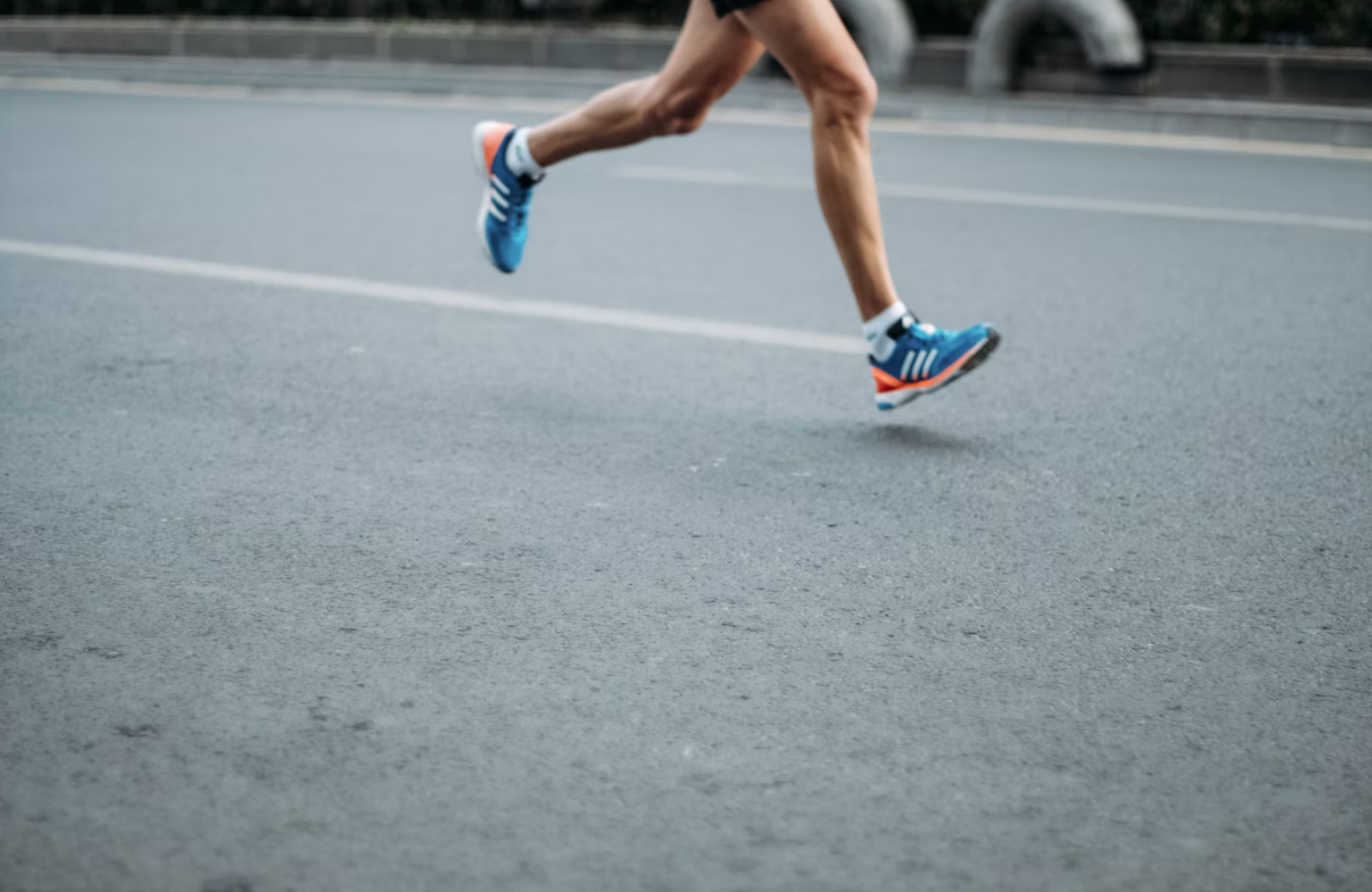
Calf strain recovery time usually runs from about two weeks for a mild strain to twelve weeks or longer for a severe one, and the biggest factor is which part of the calf you injured. A small tear in the muscle belly settles quickly. A tear that reaches the tough connective tissue inside the muscle takes far longer, no matter how good you feel at week three.
You want a real timeline, not a shrug. Here is the honest version, plus the work that moves you through it faster.
Do This Today
- Walk only as far as you can go without limping, and shorten your stride.
- Add a small heel lift to both shoes for the first week to calm the pull on the calf.
- Start gentle calf raises off the floor as soon as they cause no sharp pain.
- Skip the full stretch of a fresh tear, since pulling on healing tissue slows it down.
- Book an assessment if you felt a pop, saw bruising, or cannot push off the foot.
What Is a Calf Strain, and Why Does It Take So Long to Heal?
A calf strain is a tear in one of the muscles at the back of your lower leg, most often where muscle blends into tendon. That junction has a modest blood supply, so it rebuilds slowly compared with the meaty middle of a muscle.
Your calf also does an enormous amount of work every day. Each running step asks it to absorb several times your body weight, which means healing tissue gets tested constantly.
Which Muscle Did You Actually Injure?
Two muscles make up most of the calf, and they fail in different situations. Knowing which one you hurt changes the plan and the timeline.
- Gastrocnemius: the upper, visible muscle that crosses both the knee and the ankle. It tends to tear during a sudden sprint, jump, or lunge for a ball.
- Soleus: the deeper muscle underneath, which drives steady running and long time on your feet. It tends to break down over miles rather than in one dramatic moment.
A quick clue helps you sort them. Gastrocnemius pain often eases when you bend your knee, while soleus pain sticks around whether the knee is straight or bent.
What the Grades Mean for Your Timeline
Clinicians grade calf strains from one to three based on how much tissue is involved. The grade drives the plan, and it also explains why two runners with the same story recover on completely different schedules.
- Grade one: a small number of fibers, mild soreness, near normal walking. Roughly one to three weeks.
- Grade two: a partial tear with clear pain, swelling, and a limp. Roughly four to eight weeks.
- Grade three: a large or complete tear with bruising and loss of push off. Roughly eight to sixteen weeks, sometimes with a surgical opinion.
Imaging can sharpen the estimate. A 2025 review in Sports Medicine Open found that ultrasound and MRI add useful detail about severity, yet no single grading system predicted return to sport better than a careful hands on clinical assessment.
That matches what we see in the clinic. The scan tells part of the story, and how your leg behaves under load tells the rest.
Talk With Our Team Before You Guess
If you are not sure which muscle you strained or how hard to push, call us at 858-324-5537. You can also speak with our team first and ask questions before you book anything.
How Long Does Calf Strain Recovery Time Really Take?
Most active adults return to easy running between three and six weeks after a moderate calf strain, and to full speed work between six and twelve weeks. The range is wide because your calf has to reload gradually, and skipping steps sends you back to the start.
The Week by Week Timeline
Use this as a map rather than a promise. Your pain response during each phase decides when you move forward.
| Phase | Typical Window | What You Should Be Doing | Green Light to Move On |
|---|---|---|---|
| Protect | Days 1 to 5 | Walk without a limp, gentle ankle motion, heel lift, isometric calf holds | Walking feels normal and pain sits at 2 out of 10 or lower |
| Load | Week 1 to 3 | Double leg calf raises, seated calf raises, easy cycling, light hip and core work | 25 slow double leg raises with no next day soreness |
| Strengthen | Week 3 to 6 | Single leg calf raises, heavy slow loading, step ups, walk and jog intervals | 20 single leg raises on the injured side and pain free jogging |
| Spring | Week 6 to 10 | Hopping, skipping, tempo runs, change of direction, sport drills | Hopping and sprinting feel symmetrical |
| Return | Week 8 to 12 and beyond | Full training volume, speed work, competition | Two to three weeks of full load with no setback |
Why Soleus Injuries Move Slower
Soleus strains often take longer than the calendar suggests they should. The soleus carries the load during almost every running stride, so it never gets a real rest once you resume training.
Runners also tend to underestimate soleus strains because walking feels fine early. The pain shows up at mile three, which is exactly when the muscle runs out of endurance.
What Should You Do in the First 72 Hours?
In the first three days your job is to protect the tear without shutting the leg down completely. Gentle movement brings blood flow and keeps the tissue organized, while total rest leaves you stiff and weak.
What Helps Early On
- Short, frequent walks at a comfortable pace, stopping before the limp appears.
- Isometric calf holds, meaning you rise slightly and hold for 30 seconds without moving.
- A 6 to 10 millimeter heel lift in both shoes to shorten the muscle and reduce strain.
- Compression during the day if swelling makes the leg feel heavy.
What Slows You Down
- Aggressive stretching, which pulls the healing edges of a fresh tear apart.
- Deep massage directly on the sore spot in the first week.
- Complete rest for more than a few days, which costs you strength you will need later.
- Testing the leg with a sprint to see if it still hurts.
That last one causes more repeat injuries than anything else we see. The calf usually passes a short test and fails the fourth mile.
Which Exercises Rebuild a Calf the Right Way?
Loading rebuilds a calf, and the load has to climb steadily. Tendon and muscle tissue respond to progressive tension, not to rest and hope.
Phase One: Gentle Loading
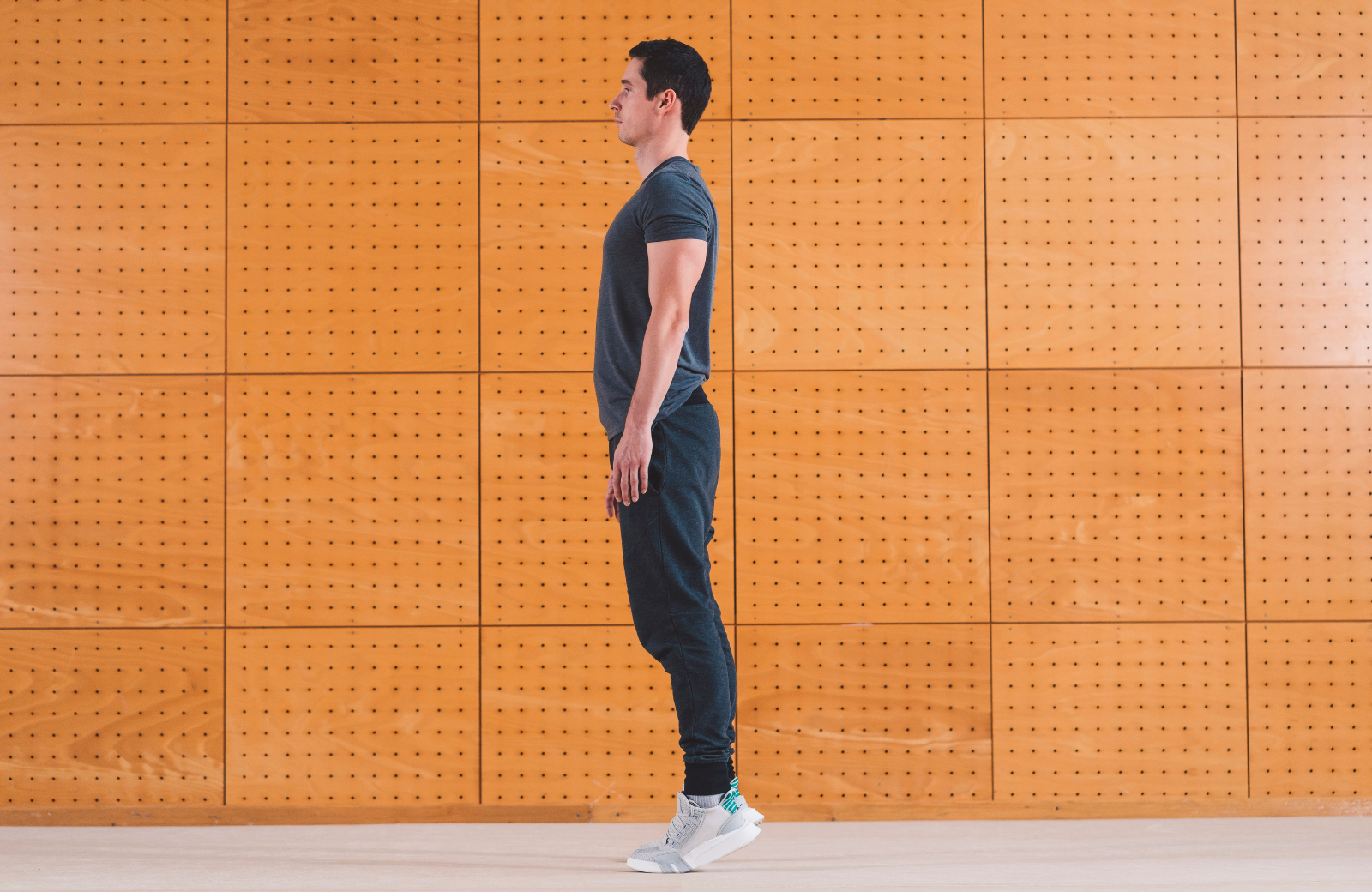
Start with double leg calf raises on flat ground, three sets of 15, done slowly. Add seated calf raises with a light weight on the knee, which targets the soleus without stressing the gastrocnemius.
Keep every rep pain free at 2 out of 10 or lower. Mild awareness is fine, and sharp pain is a signal to back off.
Phase Two: Strength and Endurance
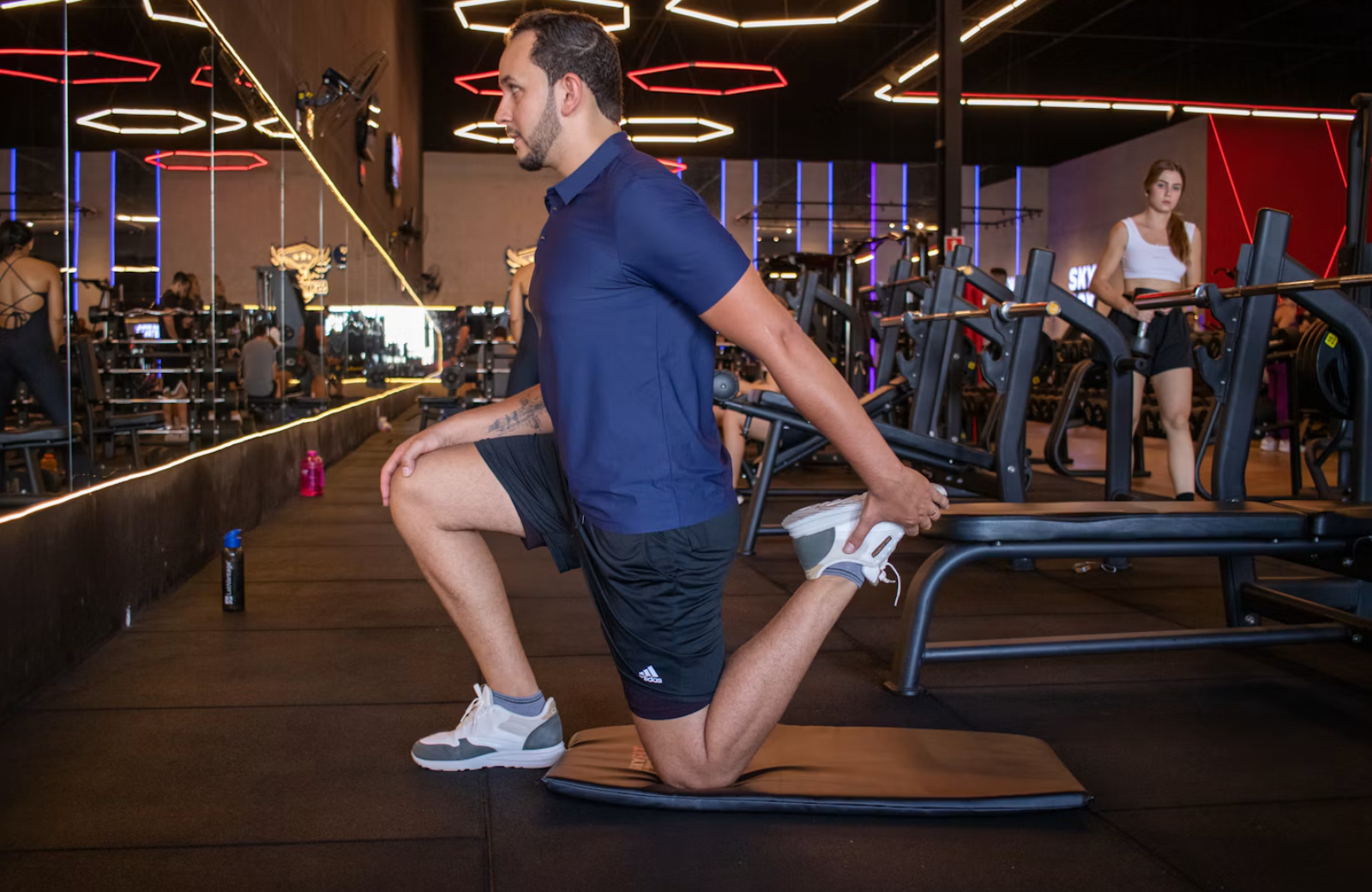
Move to single leg calf raises once double leg work feels easy. Build toward 20 clean repetitions on the injured side, matching the healthy leg for height and control.
Then add heavy slow loading, which means fewer reps with real resistance and a slow three second lowering phase. This is the step most people skip, and it is the step that protects you later.
Phase Three: Speed and Spring
Your calf stores and releases energy like a spring during running. Rebuild that quality with pogo hops, skipping, and short accelerations before you return to full training.
- Two footed pogo hops, 3 sets of 20, staying light and quiet.
- Single leg hops in place, then forward and back.
- Skipping for 20 meters, focusing on quick ground contact.
- Short strides at 70 percent effort, building toward faster running.
Our runner performance physical therapy program uses this exact ladder, because a calf that can lift heavy still fails if it cannot handle speed.
How Do You Know You Are Ready to Run or Play Again?
You are ready when the injured calf matches the healthy one under load, not when the pain stops. Pain leaves early, and capacity comes back weeks later.
The Tests We Use
- Single leg calf raises: 20 or more clean reps, matching the other side.
- Single leg hop: equal height and control on both legs.
- Walk and jog intervals: 5 rounds of 2 minutes jogging with no pain during or the next morning.
- Next day check: no stiffness or soreness that was not there before.
The Return to Running Progression
Start with a walk and jog pattern rather than a continuous run. A common pattern is 1 minute of jogging and 2 minutes of walking, repeated for 20 minutes, three times in a week.
Add jogging time only when the previous session leaves you clean the following morning. Volume comes first, then pace, then hills and speed work.
Why Do Calf Strains Keep Coming Back?
Calf strains repeat because most people return to sport before the muscle has rebuilt its endurance. The tissue heals, the capacity does not, and the first hard session finds the gap.
What the Research Shows About Repeat Injuries
A ten year study of elite Australian football players published in BMJ Open Sport and Exercise Medicine found that 20 percent of repeat calf injuries happened before players had fully recovered from the first one. Those early repeats cost an average of nearly 47 days out of play.
The same study reported recurrence within two years in roughly 13 to 21 percent of cases. Professional athletes have daily medical support, which tells you how patient the rest of us need to be.
The Gaps That Cause Repeats
- Strength that was never tested against the healthy leg.
- No plyometric work, so the calf never relearned speed.
- Weak hips and glutes that push extra work down to the lower leg.
- A jump in mileage or intensity during the first month back.
- Poor sleep and low protein intake during the rebuild.
Do Braces, Sleeves, Ice, and Massage Guns Help?
These tools manage symptoms, and none of them heal a strain on their own. Use them to make the rehab work more comfortable, not as a substitute for it.
Compression Sleeves
A calf sleeve can reduce the heavy, swollen feeling and helps some people feel more secure while walking. It does not shorten calf strain recovery time, so keep loading the muscle.
Ice and Heat
Ice can settle sharp pain in the first two or three days. After that, gentle heat before your exercises usually feels better and makes movement easier.
Massage Guns and Foam Rollers
Keep both off the tear itself for the first week or two. Working the surrounding muscles and the foot is fine, and it often takes the edge off the whole leg.
When Should You See a Physical Therapist for a Calf Strain?
See someone quickly if you heard a pop, cannot rise onto your toes, or have bruising that spreads down toward the ankle. Those signs point to a larger tear that needs a clear plan and a proper timeline.
Call us sooner rather than later if pain is still limiting you after two weeks, or if this is your second or third calf strain. Repeat strains almost always trace back to a strength or loading gap that testing will find fast.
Sudden calf pain with swelling, warmth, and redness needs urgent medical attention rather than rehab, since a blood clot can look similar at first.
Frequently Asked Questions
How long does a calf strain take to heal?
A grade one calf strain usually settles in one to three weeks, a grade two takes four to eight weeks, and a grade three can take eight to sixteen weeks. Where the tear sits matters as much as its size, since tears near the connective tissue heal more slowly. Your ability to load the calf without next day soreness is the best day to day guide.
Should I walk on a strained calf?
Yes, as long as you can walk without limping. Gentle walking brings blood flow to the area and keeps the ankle moving, which supports healing. Shorten your stride, slow your pace, and stop before the limp shows up.
Is it a calf strain or an Achilles problem?
A calf strain hurts in the muscle belly, usually higher up and often on the inner side of the leg. Achilles pain sits lower, right on the cord above the heel, and it tends to feel stiff for the first few minutes of walking each morning. If you cannot tell, an assessment sorts it out in minutes.
Can I keep training with a calf strain?
You can usually keep training the rest of your body while the calf recovers. Cycling, swimming, upper body strength work, and hip strengthening all stay on the table if they cause no calf pain. Running, jumping, and hard pushing off wait until the calf passes its strength tests.
Why does my calf keep tearing in the same spot?
Repeat tears in one spot usually mean the muscle regained comfort but never regained capacity. Scar tissue also changes how load spreads across the area, so the neighboring fibers take more of the work. A structured strength and plyometric program fixes the underlying gap.
Does stretching help a calf strain?
Stretching does not help in the first week and can pull a fresh tear apart. Once pain settles and you can load the calf, gentle mobility work supports the strength program. Loading, not stretching, is what rebuilds the tissue.
Getting You Back to the Miles You Miss
A calf strain is frustrating because it feels better long before it is ready. We build the bridge between those two points so you stop guessing and start progressing.
What We Do Differently
Every visit at Auto Ness Physical Therapy is a full hour, one on one with your Doctor of Physical Therapy. No techs, no aides, and no sharing your therapist with three other people.
We test both legs, find the gap that caused the strain, and give you a plan you can actually follow. Movement is medicine, and the right dose of it beats rest every time.
What Your First Visit Looks Like
We start with a 60 minute assessment that looks at your whole body, not just the sore spot. Hands on treatment begins that same day, followed by strength and mobility work in our gym.
You leave with a clear timeline, your first exercises, and a straight answer about when running comes back. Our runner performance patients get the return to running progression written out step by step.
Ready to Stop Waiting on Your Calf?
Call us at 858-324-5537 to talk with a real physical therapist about your leg. You can also ask about a free Discovery Visit, grab one of our free guides, or join a free seminar to learn what your options look like before you commit.
We are in Scripps Ranch and we work with runners, golfers, hockey players, and active adults across San Diego. Schedule your visit and let us get you back to what you love.