

Meniscus tear recovery time depends on the type of tear and the treatment you choose, but most people feel real progress within 4 to 8 weeks of smart rehab, and many return to sport in about 3 to 6 months. Surgery can stretch that window, and a degenerative tear in an older knee can calm down without any procedure at all.
You probably want a straight answer to a few questions right now. Can it heal on its own, do you need an operation, and when can you run, golf, or skate again? We walk through each one below so you can plan your weeks with confidence.
What Can You Do Today If You Think You Have a Meniscus Tear?
- Keep walking short distances on flat ground, but stop any activity that makes the knee catch, lock, or give way.
- Skip deep squats, pivoting, and sitting cross legged until a clinician checks your knee.
- Swell control matters, so elevate the leg and take short movement breaks instead of resting all day.
- Write down exactly what you were doing when the pain started, because that story guides the diagnosis.
- Book an evaluation with a Doctor of Physical Therapy before the knee stiffens and your muscles shut down.
How Long Does a Meniscus Tear Take to Heal?
Most meniscus tears take about 4 to 8 weeks to settle enough for normal daily life when you rehab them without surgery. A full return to sport often takes 3 to 6 months, and a surgical repair can push that closer to 6 months or more.
The range is wide because no two tears are alike. Your age, the tear pattern, the location in the cartilage, and how well your thigh and hip muscles work all change the timeline.
Why Does Healing Time Vary So Much?
The outer edge of the meniscus has a blood supply, so tears there have a better chance to heal. The inner part has very little blood flow, so those tears rarely knit back together. That is why two people with the same pain level can have very different recovery paths.
What Does Healing Actually Mean for a Meniscus?
Healing can mean two different things. Sometimes the torn tissue closes and stays stable. Other times the tear stays, but your knee stops reacting to it because the muscles around the joint take over the load.
The second outcome is common and it counts as a win. Many people live and play comfortably with a tear that never fully disappears.
What Does a Meniscus Tear Feel Like?
A meniscus tear usually feels like pain along the inner or outer joint line, swelling that builds over a day or two, and a catching or locking sensation when you twist. You may also notice that the knee feels stiff when you try to fully straighten or deeply bend it.
Each knee has two menisci. They are C shaped pads of cartilage that cushion the joint and spread load between your thigh bone and shin bone. When one tears, the knee loses some of that shock absorption.
- Pain when you twist, pivot, or squat
- Swelling that peaks the next day
- Clicking, catching, or a feeling that something is stuck
- A knee that locks or will not fully straighten
- Giving way on stairs or uneven ground
Can a Meniscus Tear Heal on Its Own?
Some can, and many more can become pain free without ever healing in the way a cut on your skin does. Small, stable tears at the outer edge often settle with time and guided strengthening.
Tears in the inner zone rarely close. Even so, a well built rehab plan can make the knee feel normal again because strong hips and thighs share the load.
Which Tears Tend to Settle Without Surgery?
- Small tears with no locking
- Degenerative tears in adults over 40 with wear related changes
- Stable tears that do not cause the knee to give way
- Tears where pain drops steadily over the first few weeks
Which Tears Often Need a Surgeon’s Opinion?
- A knee that truly locks and will not unlock
- Large displaced tears, such as a bucket handle tear
- A tear that comes with a torn ACL or other ligament injury
- Pain and swelling that keep climbing after several weeks of good rehab
Do You Need Surgery or Physical Therapy First?
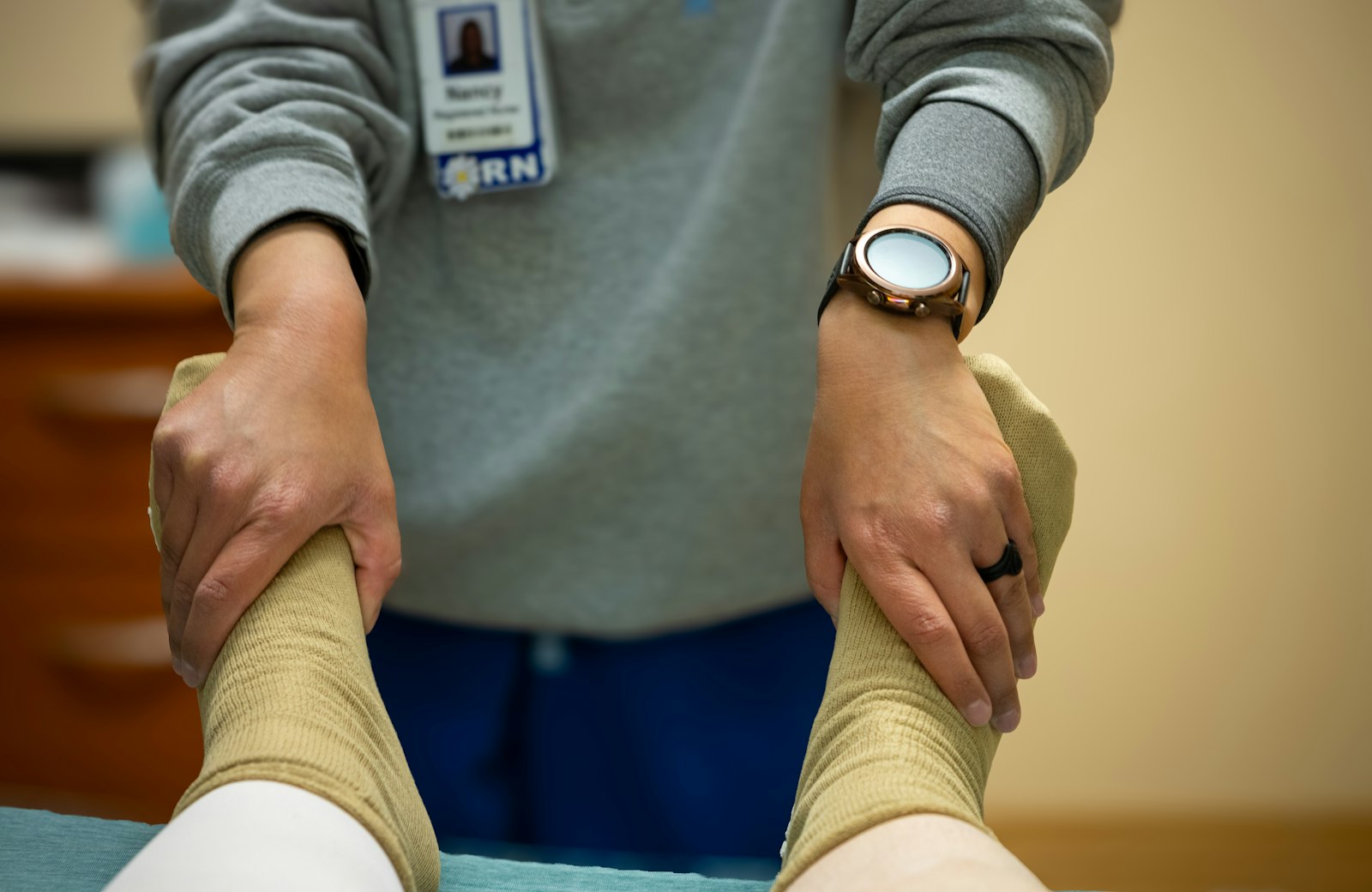
Most people with a degenerative tear should try physical therapy first. Research backs this up. In a randomized trial published in the New England Journal of Medicine, 351 patients aged 45 or older with a meniscal tear and mild to moderate arthritis received either surgery or a structured physical therapy program. After 6 months, the two groups improved by similar amounts on a standard function score, and about 30 percent of the therapy group chose surgery within 6 months.
A later review points the same way. The clinical practice guideline in the British Journal of Sports Medicine by Siemieniuk and colleagues looked at the evidence on arthroscopic surgery for degenerative knee disease and meniscal tears, and it recommended against surgery for nearly all of these patients. Exercise based care came first.
That result tells us two useful things. Surgery does not beat good rehab for many older knees, and a minority of people still decide they want an operation. Both choices are valid, and starting with rehab keeps the door open.
What Does a Surgeon Do for a Meniscus Tear?
A surgeon can trim the damaged part of the meniscus or stitch it back together. Trimming usually brings a quicker return to walking. Repair protects more tissue but demands a longer, more careful rehab.
What Does Physical Therapy Do That Rest Does Not?
Rest calms pain, but it also weakens the quads and hips that protect the joint. Rehab restores motion, rebuilds strength, and teaches your knee to handle load again. That keeps the meniscus from taking more stress than it can handle.
What Does a Meniscus Tear Recovery Timeline Look Like?
The table below shows typical windows. Your own dates shift based on your tear, your age, and your sport.
| Path | Walking Normally | Light Jogging or Swimming | Return to Sport |
|---|---|---|---|
| Rehab only, small or degenerative tear | 1 to 3 weeks | 4 to 8 weeks | 2 to 4 months |
| Partial trim surgery | 1 to 2 weeks | 4 to 6 weeks | 6 to 10 weeks |
| Meniscus repair surgery | 4 to 6 weeks, often with limits | 3 to 4 months | 5 to 9 months |
| Tear with ACL injury | Varies by procedure | 4 to 6 months | 9 to 12 months |
Treat these numbers as general ranges, not promises. Your therapist and surgeon set the dates that fit your knee.
What Are the Stages of Meniscus Tear Rehab?
Rehab moves through phases, and you advance when your knee meets a goal, not when the calendar says so. A clear order keeps you from rushing and keeps you from stalling.
Phase One: Calm the Knee and Restore Motion
The first goal is less swelling and a knee that bends and straightens easily. Gentle range of motion, quad activation, and short walks do most of the work here.
Phase Two: Rebuild Strength Without Pinching the Joint
Next comes leg press style work, bridges, step ups, and hip strengthening. We keep deep knee bending in check until the joint tolerates it. Your hips matter as much as your knee because they steer the leg.
Phase Three: Train for Your Sport or Job
Now you add balance, single leg control, and controlled pivoting. Runners layer in a walk to jog plan. Golfers and hockey players practice rotation and cutting at gradual speeds.
Phase Four: Return With Proof, Not Hope
You return to full activity when you pass strength, hop, and movement checks, and when the knee stays quiet the next day. That test protects you from a setback.
How Do Meniscus Tears Happen in Sports and Daily Life?
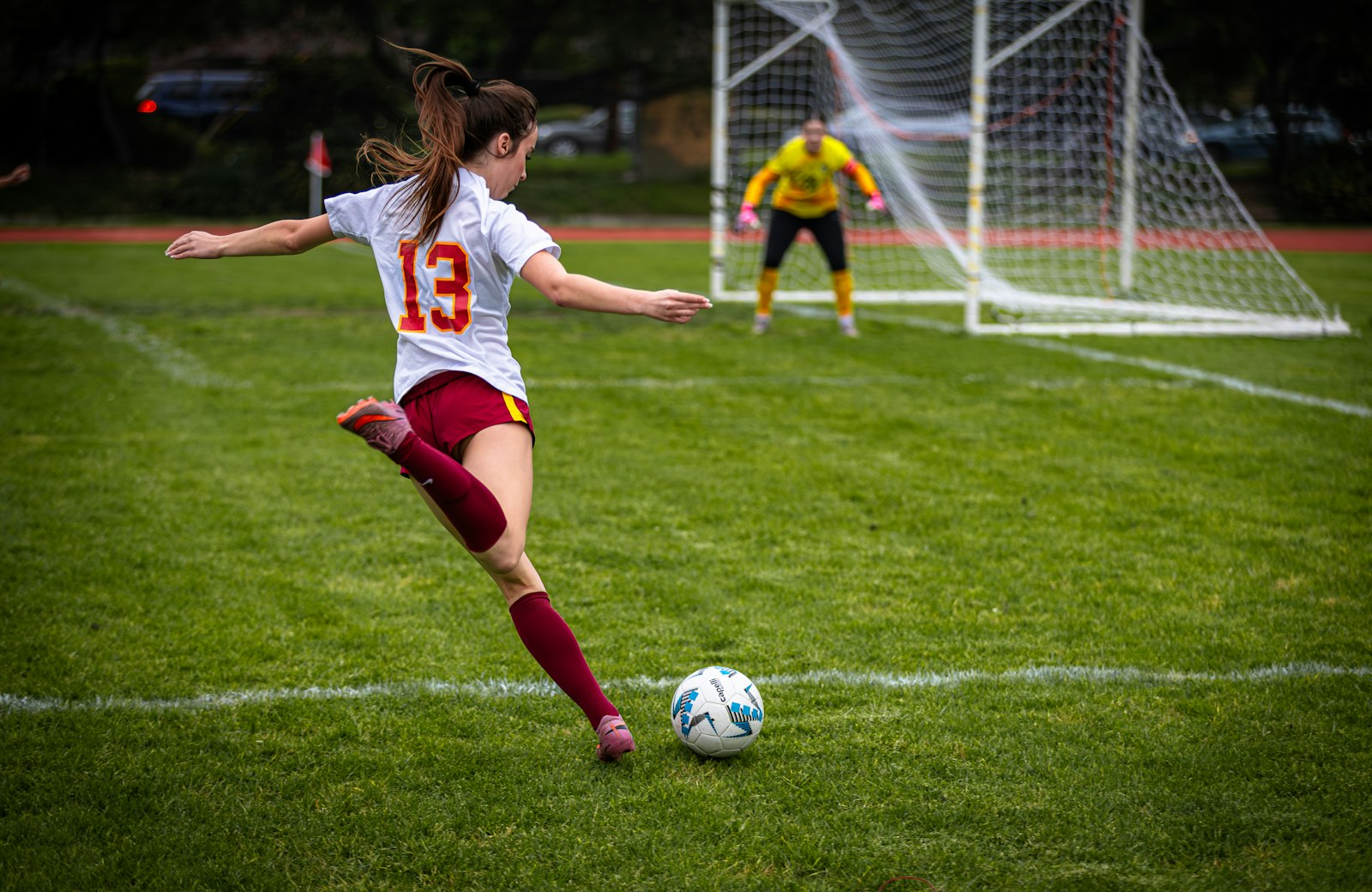
Meniscus tears happen two main ways. A sudden twist on a planted foot tears healthy cartilage, and slow wear thins the tissue until an ordinary movement tears it.
What Sudden Tears Look Like
Hockey cuts, a pivot during a golf swing, a deep squat under load, or a bad landing can all tear the cartilage. You often remember the exact moment, and the knee may swell within a day.
What Wear Related Tears Look Like
Degenerative tears show up in active adults over 40 with no big injury at all. You might stand up from a low chair or step off a curb and feel a sharp twinge. These tears respond well to strengthening because the knee often has other tissues that need help too.
Does Age Change Your Meniscus Tear Recovery Time?
Age shapes both the type of tear and the plan. Younger athletes with a fresh tear near the outer edge have more repair options. Adults over 40 usually have wear related tears that respond well to exercise first.
Fitness matters more than the birth year, though. A strong, mobile 55 year old often recovers faster than a deconditioned 30 year old.
What Should You Avoid During Meniscus Tear Recovery?
Avoid deep twisting under load, forced end range squatting, and pushing through catching or locking. Those moves pinch the torn tissue and can turn a small tear into a bigger one.
- Pivoting on a planted foot, like a golf swing or a hockey turn, too early
- Deep lunges and full depth squats before your therapist clears them
- Long stretches of total rest that let your thigh muscles waste away
- Running through pain that rises during or after the session
What Daily Habits Speed Up Meniscus Tear Recovery?
Small habits add up quickly. A few changes between visits can shave days off your timeline.
- Walk often in short bouts instead of one long stretch
- Sleep with a pillow between your knees if side lying bothers the joint
- Use a firm chair that does not force a deep knee bend
- Do your home exercises daily, because short and frequent beats long and rare
- Track swelling and pain the morning after each session so you can adjust
Consistency matters most. A few minutes a day keeps the muscles working and keeps the knee moving.
How Do You Know When Your Knee Is Ready for Sport Again?
Your knee is ready when it has full motion, no swelling, and strength within about 90 percent of the other leg. You also need to move with control during hopping and cutting drills.
Pain free is not the same as ready. Many setbacks happen because a quiet knee gets pushed too soon. We use clear checks so the decision rests on proof, not guesses.
Why Does Strong Hip and Thigh Control Matter So Much?
Your hips and thighs decide how much force reaches your meniscus. When they are strong and well timed, the cartilage works under lighter loads. When they are weak, the knee absorbs more twisting force than it should.
That is why a knee rehab plan often includes glute and core work. It also explains why a whole body view makes sense, since a stiff ankle or a weak hip can quietly overload the knee.
Can You Keep Exercising With a Meniscus Tear?

Yes, in most cases you can keep moving with a modified plan. Cycling, swimming, and upper body training often stay on the table while the knee settles.
We build the plan around what your knee tolerates and what your sport demands. The goal is to keep your fitness while the tissue calms down.
Frequently Asked Questions
Can a meniscus tear heal without surgery?
Many can settle without surgery, especially small or degenerative tears. Even when the tear stays, a strong, well controlled knee often feels normal again.
How long does it take to walk normally after a meniscus tear?
Most people walk comfortably within 1 to 3 weeks after a rehab based approach. After a repair, expect limits for about 4 to 6 weeks.
What is the fastest way to recover from a torn meniscus?
Start with swelling control, gentle motion, and early strength work under guidance. Rushing back to twisting sports is the quickest way to slow yourself down.
Is walking good for a torn meniscus?
Short walks on flat ground are usually fine and help the knee stay mobile. Stop if you feel catching, locking, or sharp pain.
When should you worry about a meniscus tear?
See a clinician fast if your knee locks, gives way, or swells a lot after an injury. Those signs point to a tear that may need extra attention.
Do you need an MRI for a meniscus tear?
Not always. A hands on exam often points to the problem, and many people start rehab before any scan.
How Can Auto Ness Physical Therapy Help You Recover?
We work with active adults, runners, golfers, and hockey players in Scripps Ranch and around San Diego who want to avoid a rushed procedure when they can. Every visit is one on one with a Doctor of Physical Therapy, and we build your plan around your tear, your sport, and your goals.
What Does Care Look Like With Us?
We start with a detailed exam to find what is overloading your knee. Then we mix hands on manual therapy, targeted strengthening, and options like dry needling when they fit. You leave each visit knowing what to do next.
How Do We Help You Return to What You Love?
Our knee care starts with the cause, not only the sore spot. You can read more about our approach on our knee pain physical therapy page, or see how we work with local patients on our Scripps Ranch knee pain page.
Ready to Take the Next Step?
Do not wait for a stiff, weak knee to make the decision for you. Call us at 858.324.5537 or speak with a PT to talk through your knee. You can also request an appointment online,.