
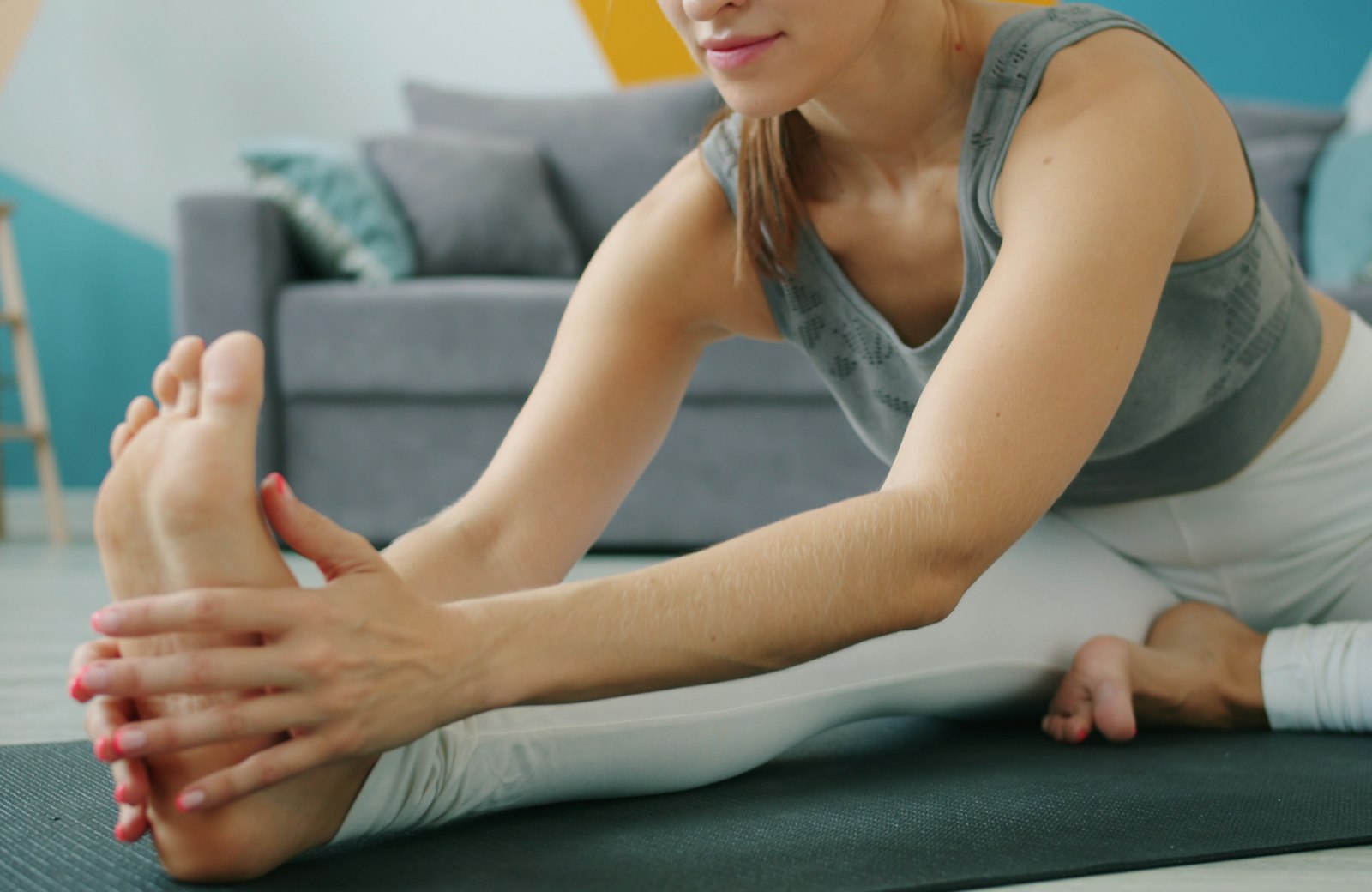
The best hip impingement exercises build hip and core strength, restore smooth hip motion, and avoid the deep, pinching positions that irritate the joint. Done well, they calm the pinch at the front of the hip and help you squat, run, and swing a club with less pain.
You may wonder which moves help, which ones to skip, and whether exercise can fix this at all. We answer each of those below, so you can start with a plan you trust.
What Can You Do Today for Hip Impingement Pain?
- Shorten your squats and stop before the front of the hip pinches.
- Swap deep hip flexor stretches for gentle glute bridges and side steps.
- Keep your knees from collapsing inward when you stand up from a chair.
- Change your sitting position every 30 minutes, since low seats deepen the pinch.
- Book a one on one exam so a clinician can confirm that impingement is the real problem.
What Is Hip Impingement and Why Does It Hurt?
Hip impingement means the ball and socket of your hip bump into each other too early in a movement. That contact can irritate the cartilage and the soft tissue around the joint, which creates a pinch in the front of the hip or groin.
Clinicians call it femoroacetabular impingement, or FAI. An international panel described the diagnosis in the Warwick Agreement published in the British Journal of Sports Medicine. The panel agreed that a patient needs appropriate symptoms, positive clinical signs, and supporting imaging findings, which means a scan alone does not make the diagnosis.
What Are the Common Symptoms?
- A deep pinch in the front of the hip or groin
- Pain when you squat, sit low, or pull your knee toward your chest
- Stiffness in the hip after sitting
- A catching or clicking feeling
- Pain that spreads to the outer hip or the thigh
Who Tends to Get It?
Active people get hip impingement often. Runners, hockey players, golfers, and lifters repeat hip motions thousands of times, and a hip with a tight fit can wear on that repetition. Desk work adds to it, because sitting keeps the hip bent for hours.
Can Exercise Really Help Hip Impingement?
Yes, exercise helps many people with hip impingement, because strong muscles guide the joint through safer paths. It is not a guarantee, and we cover the evidence on surgery further down. The same Warwick consensus listed conservative care, rehabilitation, and surgery as suitable options, so a trial of rehab is a reasonable first step for many patients.
Exercise does not reshape the bone. It improves how the hip moves, how well the pelvis and core support it, and how much load the joint takes. That change alone often reduces the pinch enough to return to the things you love.
What Should Exercise Aim to Do?
- Strengthen the glutes and outer hip so the thigh bone stays centered
- Build core control so the pelvis does not tip forward
- Restore comfortable motion in the directions that are not blocked
- Retrain squats, hinges, and steps so they stay in your pain free range
Which Hip Impingement Exercises Work Best?
Start with low load strengthening that keeps the hip in a mid range, then add depth and speed as your pain allows. The list below goes from gentle to more demanding.
Glute Bridges
Lie on your back with your knees bent and lift your hips by squeezing your glutes. Hold for two seconds, then lower slowly. Do 2 sets of 10.
Side Lying Hip Abduction
Lie on your side and lift the top leg with the toes pointing forward. Keep your trunk still. Do 2 sets of 12 on each side.
Clamshells With a Band
With your knees bent, open the top knee against a light band without rolling the pelvis. This wakes up the deep hip muscles. Do 2 sets of 12.
Dead Bugs
Lie on your back, press your low back gently down, and extend opposite arm and leg. This trains the core to stabilize the pelvis. Do 2 sets of 8 per side.
Hip Hinge With a Dowel
Stand tall, push your hips back, and keep a long spine. Stop before the front of the hip pinches. This pattern replaces deep squats with a safer motion.
Box Squats to a High Surface
Sit back to a higher box than normal and stand up with control. Lower the box over time as pain allows.
Split Squat Holds
Take a short stride, lower a few inches, and hold. Keep the front knee tracking over the middle toes. This builds single leg strength without a deep hip bend.
Which Exercises Should You Avoid With Hip Impingement?
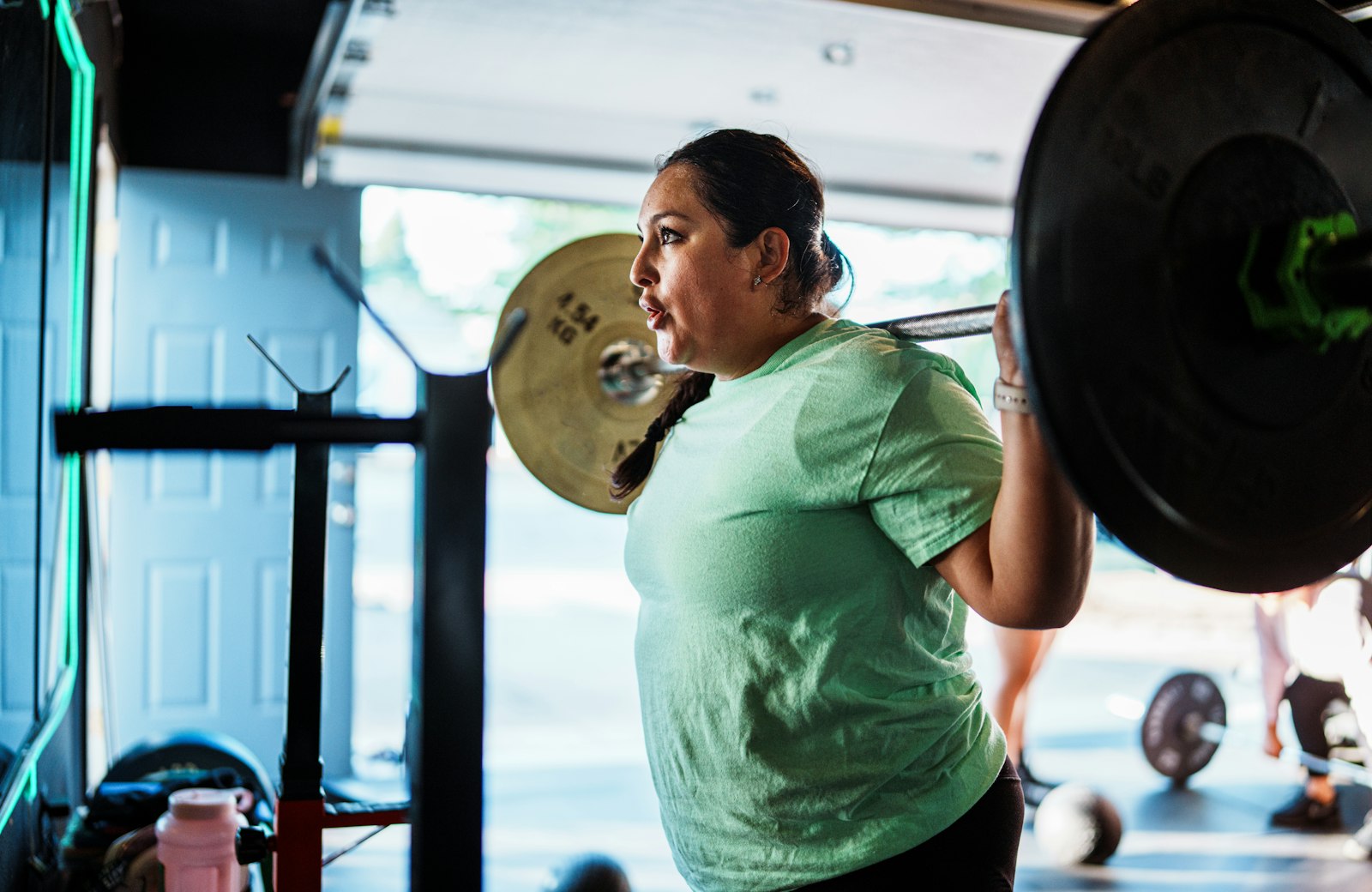
Avoid anything that forces the hip deep into flexion while it rotates inward. Those positions are the ones that jam the ball into the socket.
- Deep squats with a wide stance and heavy load
- Pulling the knee tightly into the chest
- Aggressive hip flexor stretches that pinch the front of the joint
- Seated figure four stretches when they cause a pinch
- Leg press machines that bring your knees close to your chest
You can often bring some of these back later. A therapist can test your range and tell you where your hip is safe.
How Do Hip Impingement Exercises Compare With Common Alternatives?
The table below compares the main approaches so you can see where exercise fits.
| Approach | What It Does | Best For | Limits |
|---|---|---|---|
| Strength and control exercises | Builds hip and core support, changes movement | Most active adults as a first step | Takes weeks of steady effort |
| Stretching alone | Adds motion in tight areas | Short term relief | Can irritate a pinched joint |
| Rest and avoidance | Calms a flare | Brief flare ups | Weakens muscles if it lasts |
| Injections | Reduces pain for a time | Pain that blocks rehab | Does not change movement |
| Surgery | Reshapes bone or repairs tissue | Structural problems that fail rehab | Needs long rehab afterward |
How Long Does It Take for Hip Impingement Exercises to Work?
Most people notice less pinching within 4 to 6 weeks of consistent work, and a full program often runs 8 to 12 weeks. Your timeline depends on how irritated the joint is and how often you do the exercises.
Progress rarely looks like a straight line. Some days feel great and others feel stiff, and that is normal. Watch the trend across weeks instead of one session.
What Does a Simple Eight Week Hip Impingement Plan Look Like?
A simple plan moves from control, to strength, to sport specific work. Each phase lasts about two to three weeks, and you advance when the moves feel easy and quiet.
Weeks One and Two: Control and Comfort
Focus on glute bridges, clamshells, dead bugs, and short walks. The aim is a calmer hip and better muscle timing. Keep every range shorter than the point where you feel a pinch.
Weeks Three to Five: Build Strength
Add box squats, split squat holds, and hip hinges with light weight. Slowly lower the box or add load as long as the front of the hip stays quiet the next day.
Weeks Six to Eight: Return to Your Sport
Layer in running drills, rotation work, or skating stance practice, based on your goals. Test the hip with single leg hops and change of direction work at controlled speeds. Keep checking in with your therapist so the progression stays smart.
How Often Should You Do Hip Impingement Exercises?
Strength work three days a week, with gentle activation moves on the days between, works for most people. Short sessions of 15 to 20 minutes beat one long weekly session.
How Do You Know If a Move Is Too Much?
Mild effort is fine. Sharp pinching, pain that lingers for hours, or a flare the next morning means you should back off. Shorten the range or lower the load, then try again.
How Do Running, Golf, and Hockey Change Your Hip Impingement Plan?

Each sport loads the hip a little differently, so your exercise plan should match your game. A runner needs endurance in the glutes, a golfer needs rotation control, and a hockey player needs strength in a deep, wide stance.
What Runners Need
Runners need steady glute strength and a stable pelvis, since each stride repeats the same hip angle. Short stride drills, single leg bridges, and step downs help. Hill running and long strides can wait until the pinch settles.
What Golfers Need
Golfers need the hips to rotate without the pelvis sliding forward. Controlled rotation drills, hip hinges, and core work teach the hip to turn without jamming. Many golfers feel the pinch on the lead hip during the finish.
What Hockey Players Need
The skating stance holds the hip in deep flexion for long stretches. Hockey players benefit from adductor and glute strength, plus breaks in training volume. Off ice work should avoid forcing extra depth until the joint calms down.
Does Hip Impingement Mean You Need Surgery?
Not always, but the evidence is mixed, so it helps to know the full picture. In the UK FASHIoN trial summarized by NIHR Evidence, 348 people with hip impingement received either keyhole surgery or a personalised physiotherapy program. At 12 months, the surgery group scored about 6.8 points higher on a 100 point hip quality of life measure, and the benefit showed up mainly in people with cam type impingement.
The same summary lists important caveats. There was no sham procedure, overall quality of life did not differ between groups, and longer follow up is still needed. The average cost was about 3,042 pounds for surgery versus 155 pounds for physiotherapy.
What Does That Mean for You?
Both paths are real options. A supervised rehab trial costs little, carries little risk, and keeps surgery available if your symptoms stay. People with clear structural problems who do not improve after a solid rehab effort deserve a surgical opinion.
The decision is yours, and a good clinician helps you weigh it. We recommend a serious, well guided rehab attempt first.
What Role Does Sitting Play in Hip Impingement?
Long sitting keeps the hip bent and the front of the joint tight. When you stand, that stiffness can make the first steps feel pinchy.
- Raise your seat so your hips sit higher than your knees
- Stand and walk for two minutes each half hour
- Avoid crossing your legs for long stretches
- Use a few glute squeezes during calls
How Do You Tell Hip Impingement From Other Causes of Hip Pain?
Hip impingement tends to cause a pinch at the front of the hip or groin during deep bending. Other hip problems behave differently, so an exam matters.
- Pain on the outer hip when lying on your side often points to tendon irritation, not impingement.
- Pain that runs down the back of the leg may come from the low back or a nerve.
- Groin pain after a sudden sprint may be a muscle strain.
- Deep buttock pain with long sitting may involve the hamstring tendon.
These patterns overlap. A hands on exam sorts them out better than guessing from a web search, and it keeps you from spending weeks on the wrong exercises.
What Mistakes Slow Down Hip Impingement Recovery?
Most setbacks come from pushing depth too soon or doing only stretches. Strength and control carry most of the results.
- Chasing a deeper stretch every day
- Skipping core and glute work because it feels easy
- Training through sharp pinching
- Quitting after one flare instead of adjusting the plan
- Ignoring sitting habits that load the hip for hours
How Does Pelvic Position Affect Hip Impingement?
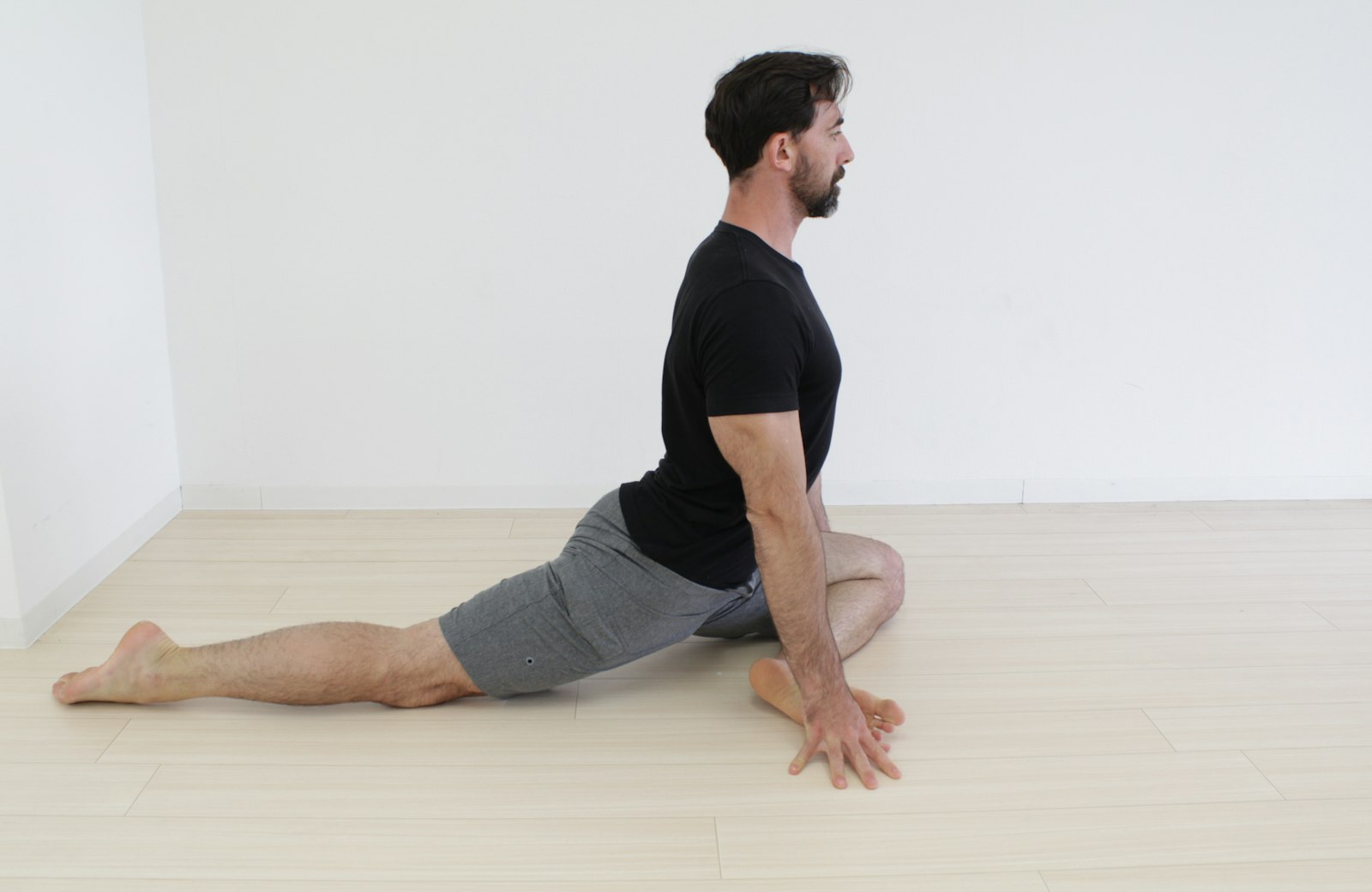
When the pelvis tips forward, the socket points further forward and the pinch arrives sooner. A pelvis that sits in a neutral position gives the thigh bone more room.
This is why core control belongs in a hip plan. Dead bugs and gentle planks teach the trunk to hold the pelvis steady while the hip moves. Many people feel the difference within a few weeks.
Frequently Asked Questions
What is the best exercise for hip impingement?
Glute bridges and side lying hip abduction are strong starting points. They build the support the hip needs without forcing a deep bend.
Can hip impingement go away on its own?
Symptoms can ease with activity changes and strengthening, but the bone shape stays the same. Many people feel better because the muscles control the joint more effectively.
Should you stretch with hip impingement?
Gentle motion helps, but deep stretches that cause a pinch do not. Aim for comfortable stretches in the directions that feel free.
Is walking good for hip impingement?
Walking is usually fine and often helps. Choose flat routes and stop if the pinch grows.
Is squatting bad for hip impingement?
Deep squats can aggravate it, but shorter squats to a box usually work well. Find the depth where the front of the hip stays quiet.
When should you see a physical therapist for hip impingement?
See one if the pinch lasts more than a couple of weeks or limits your sport. Early guidance saves months of guessing.
How Can Auto Ness Physical Therapy Help With Hip Impingement?
We treat runners, golfers, hockey players, lifters, and everyday movers in Scripps Ranch and around San Diego. Every visit is one on one with a Doctor of Physical Therapy, so your plan fits your hips and your goals.
What Does Our Care Look Like?
We test how your hip moves, find what drives the pinch, and build a plan around it. Hands on manual therapy, targeted strengthening, and options like dry needling can all play a role.
Where Can You Learn More About Our Hip Care?
Visit our hip pain treatment page or read about hip pain physiotherapy in Scripps Ranch to see how we work.
Ready to Take the Next Step?
Your hip does not have to keep pinching every time you squat or sit. Call us at 858.324.5537 or speak with a PT about your hip. You can also request an appointment online.